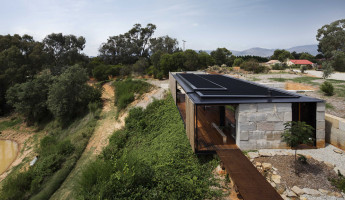
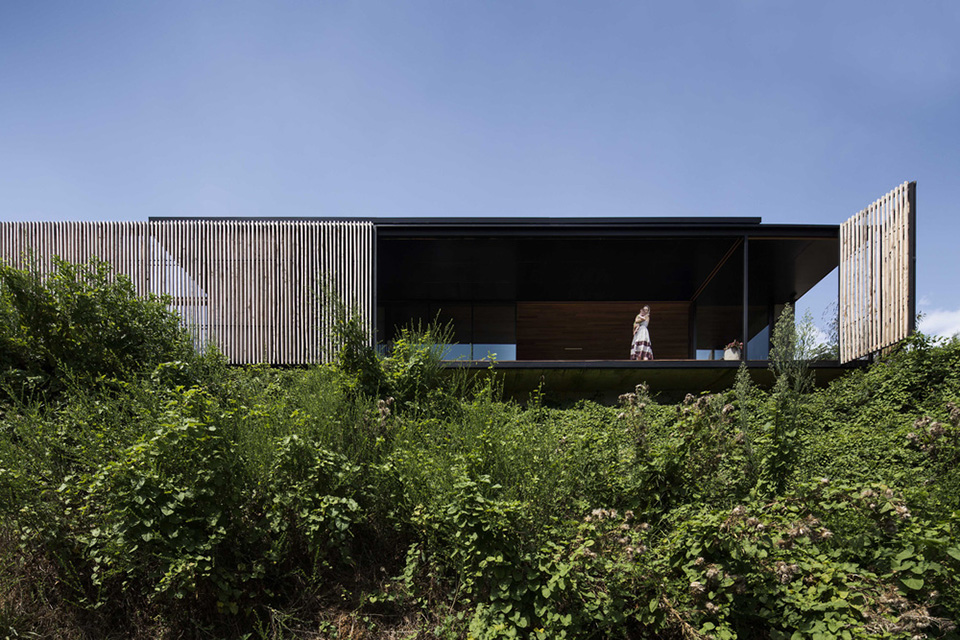
This sculptor’s house in rural Australia is a reflection of it’s owner’s craft. It’s the result of a collaboration between artist and architect, one that relies on the resources available in its quarry-side plot. The result is a marvel of relaxing rural modernism, one that suits its owner as a home, a workplace and a retreat for visiting family. Meet the Sawmill House by Archier , a home shaped by stone for a working sculptor.
RELATED : Follow TheCoolist Through Washington, D.C.’s Hidden Hoods
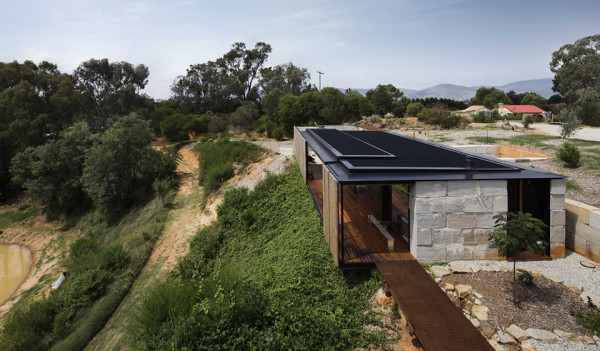
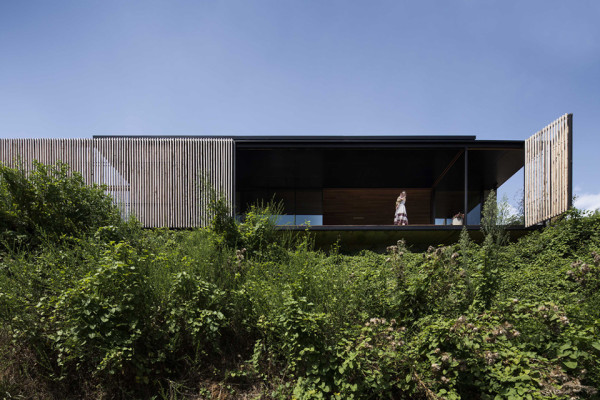
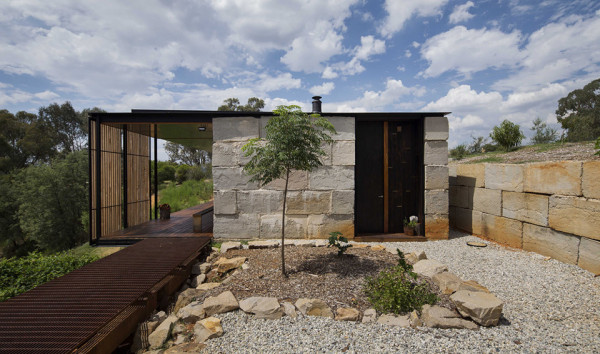
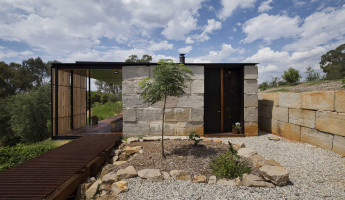
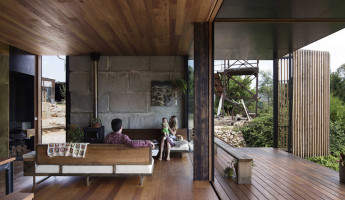
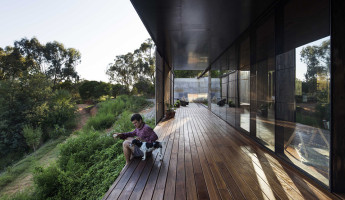
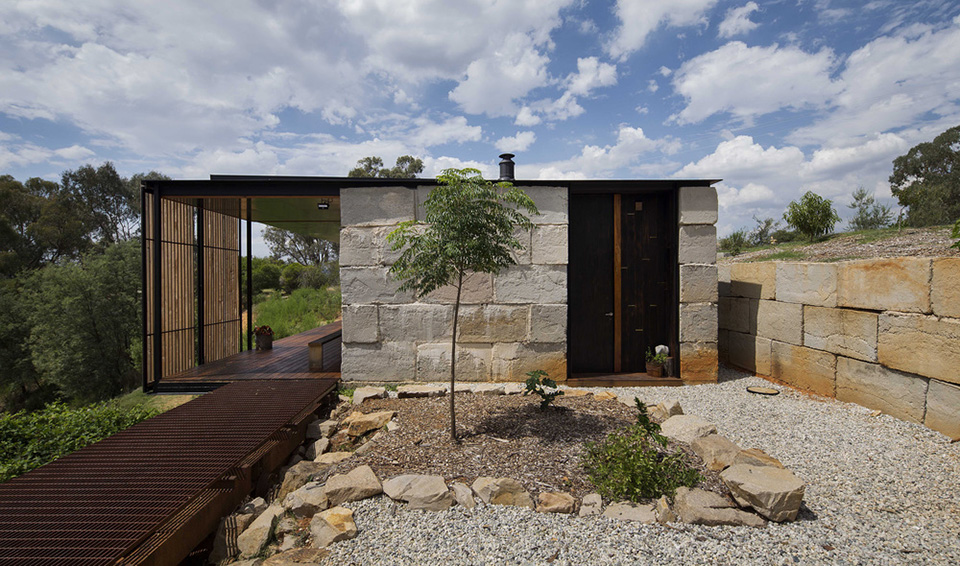
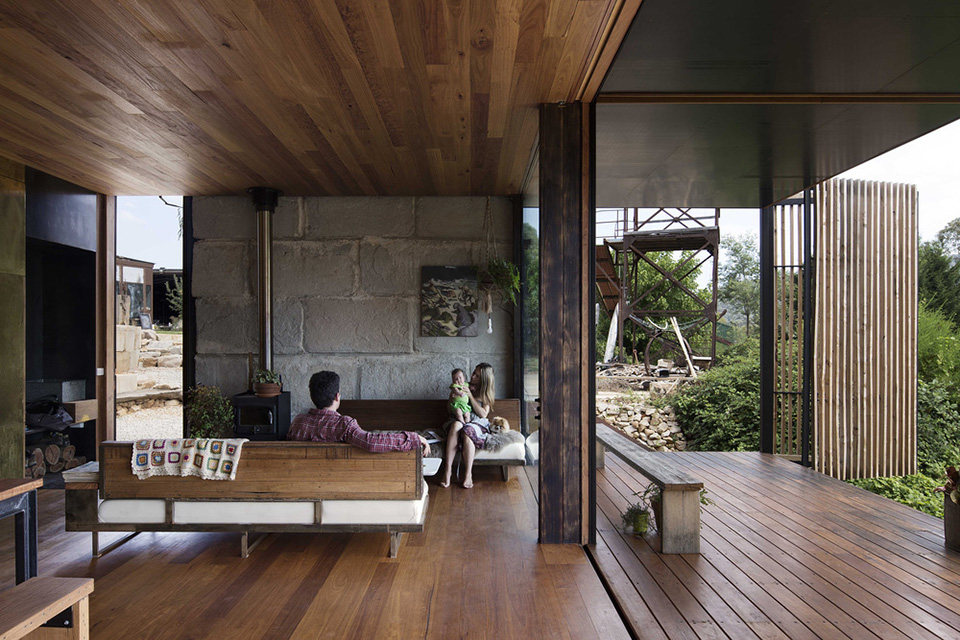
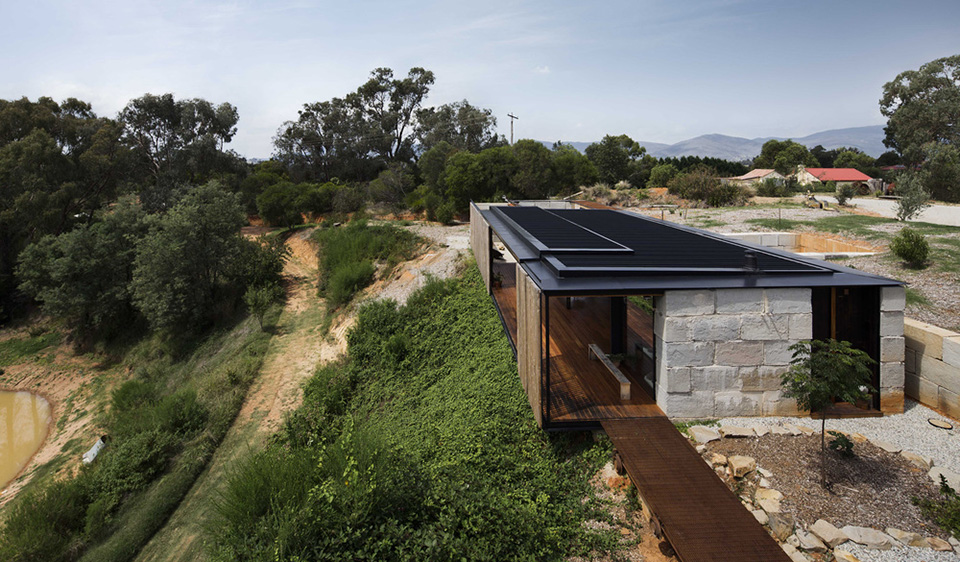
The Sawmill House stands on the brim of an old gold quarry in the rural town of Yackandandah. The area now hosts a sawmill, but much of the quarry’s rocky refuse remains. The architect and client would use the available rock to craft the structure of this home — which comprises 270 one-ton concrete blocks. Over time, these blocks will take on a patina that echoes the sedimentary storyline of the quarry walls below.
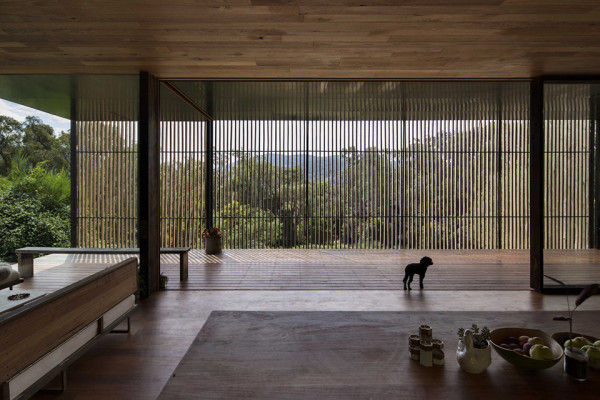
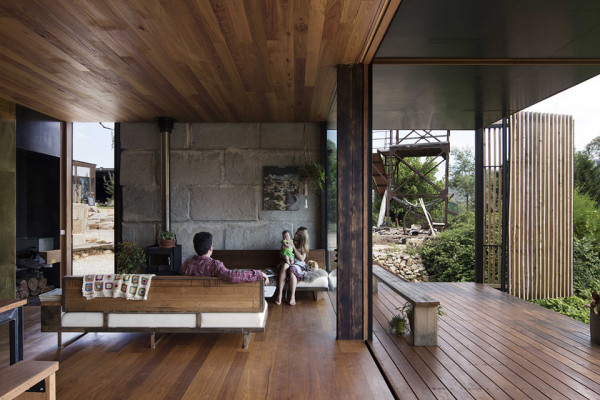
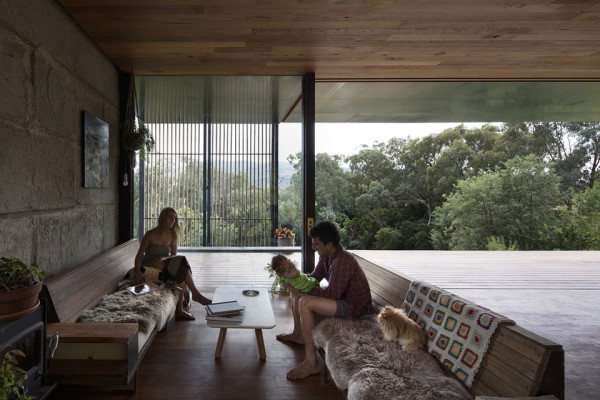
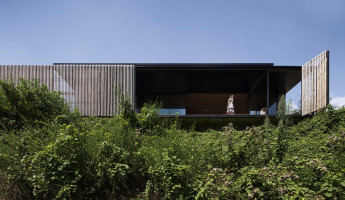
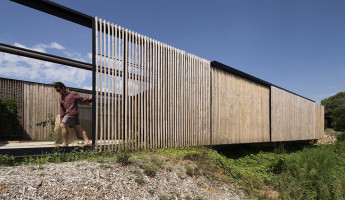
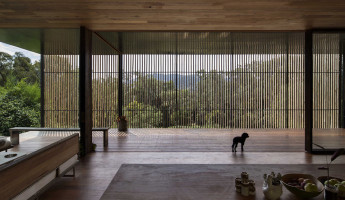
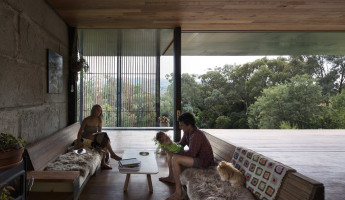
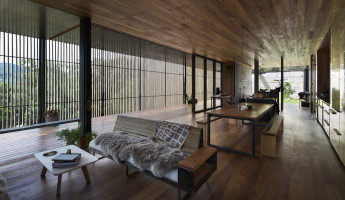
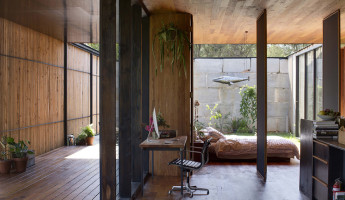
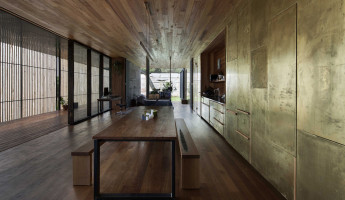
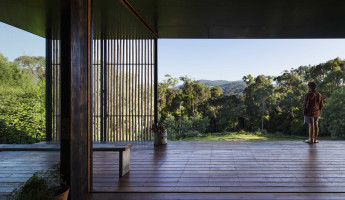
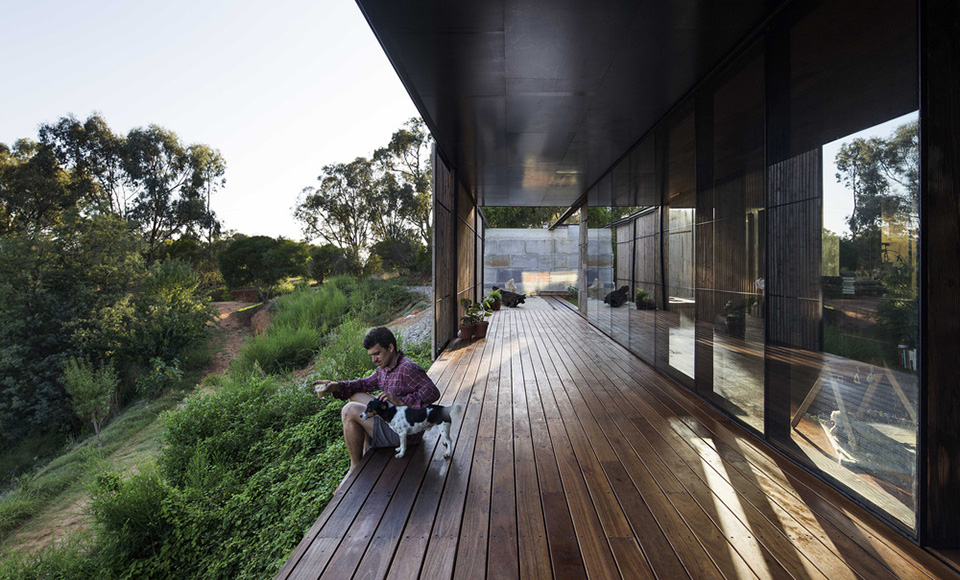
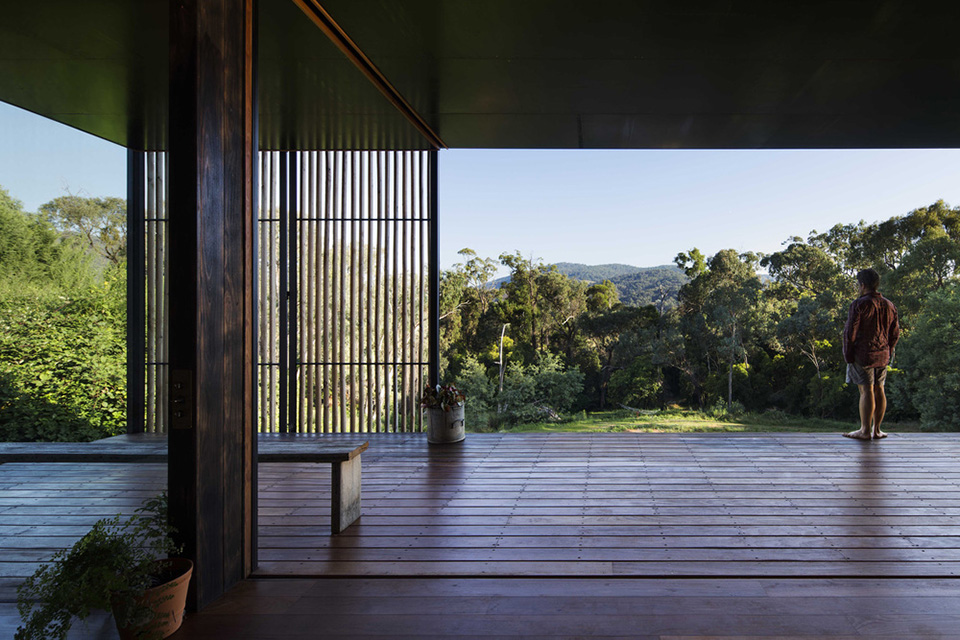
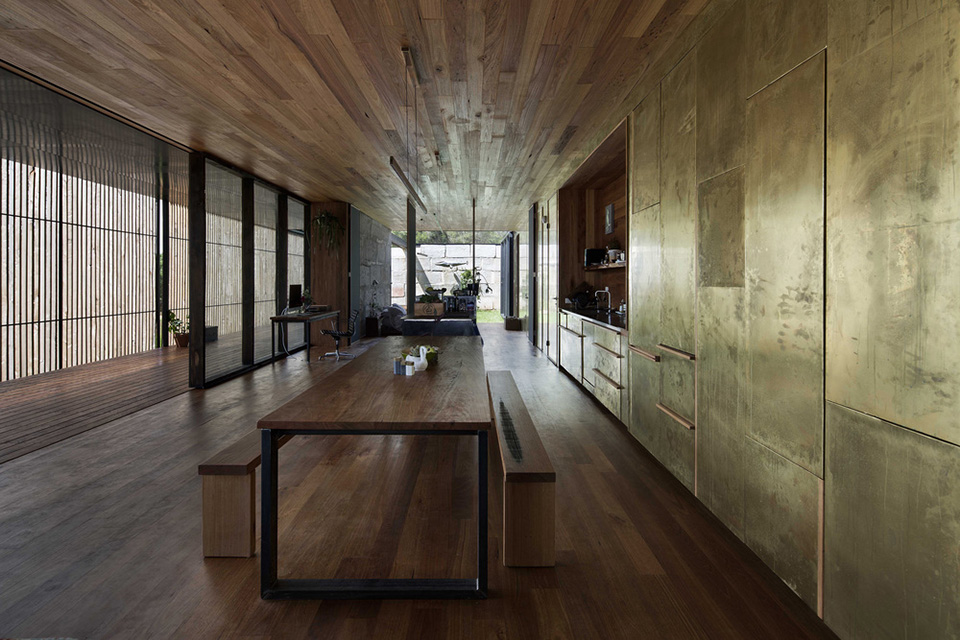
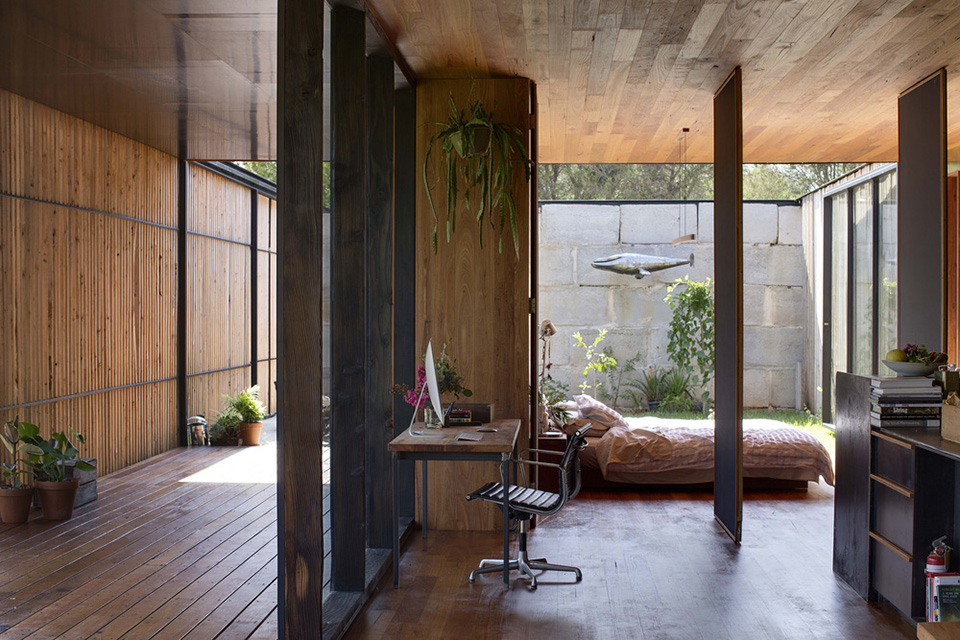
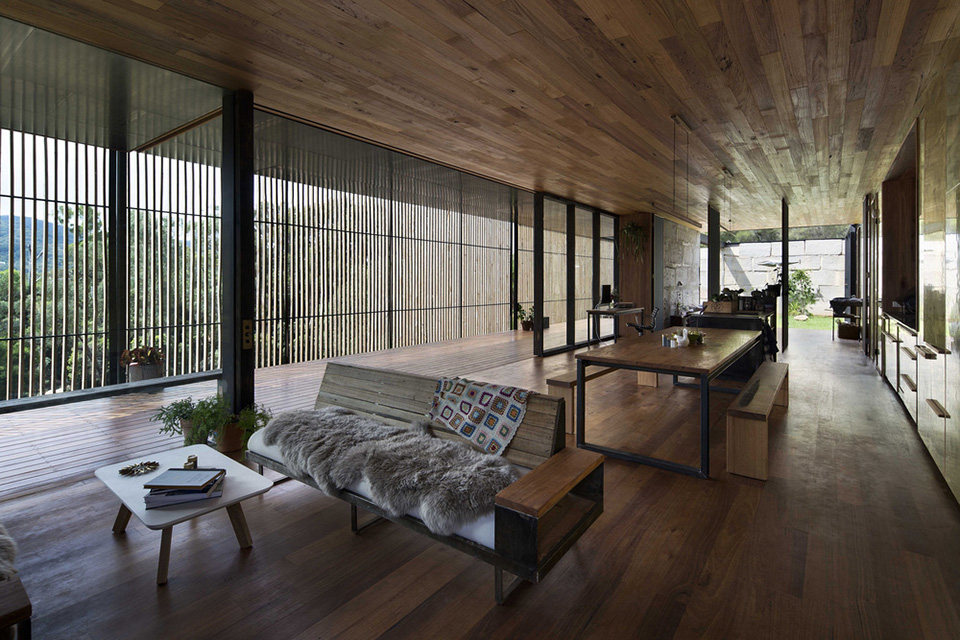
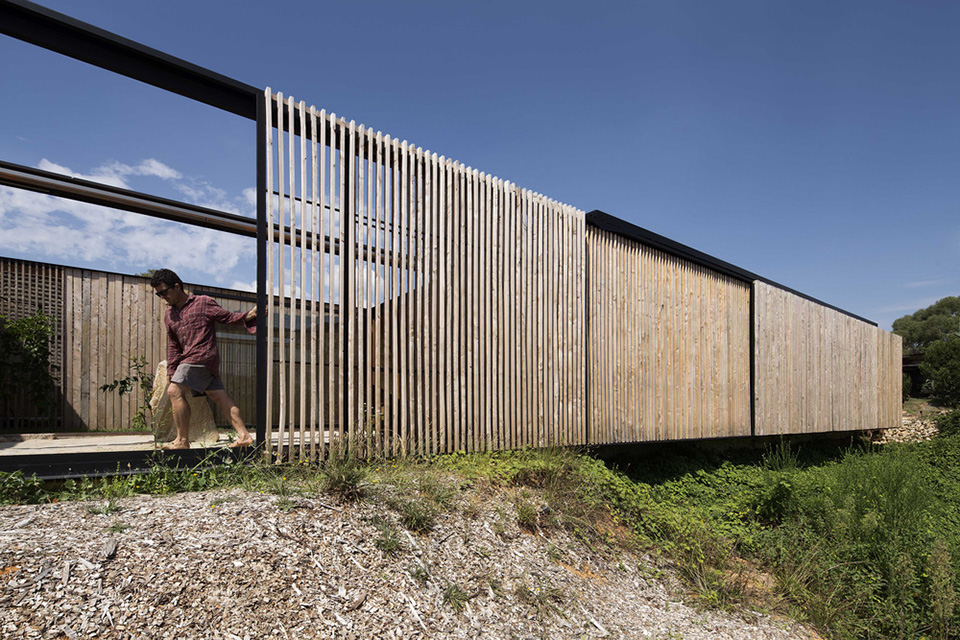
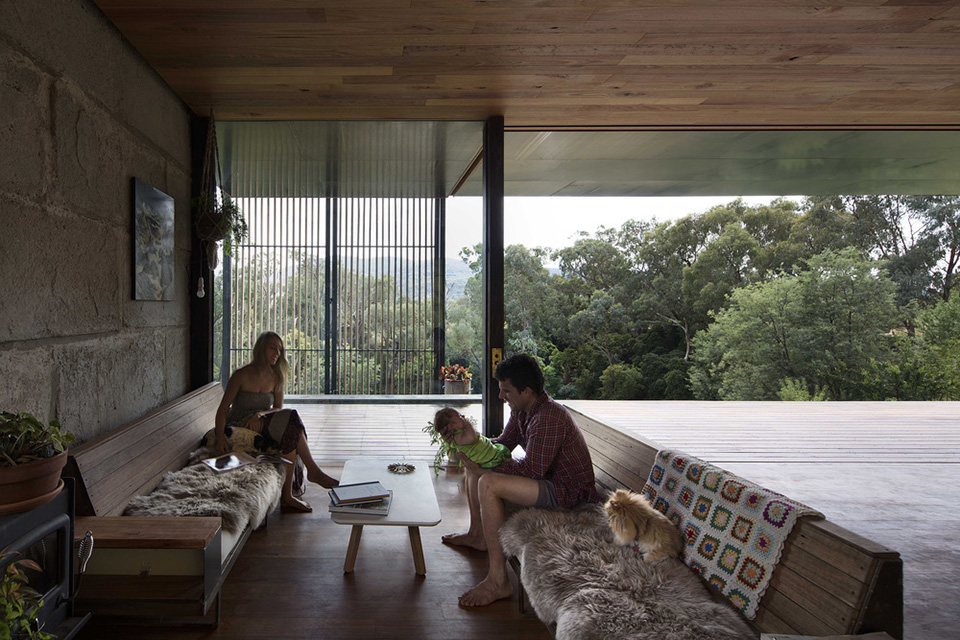
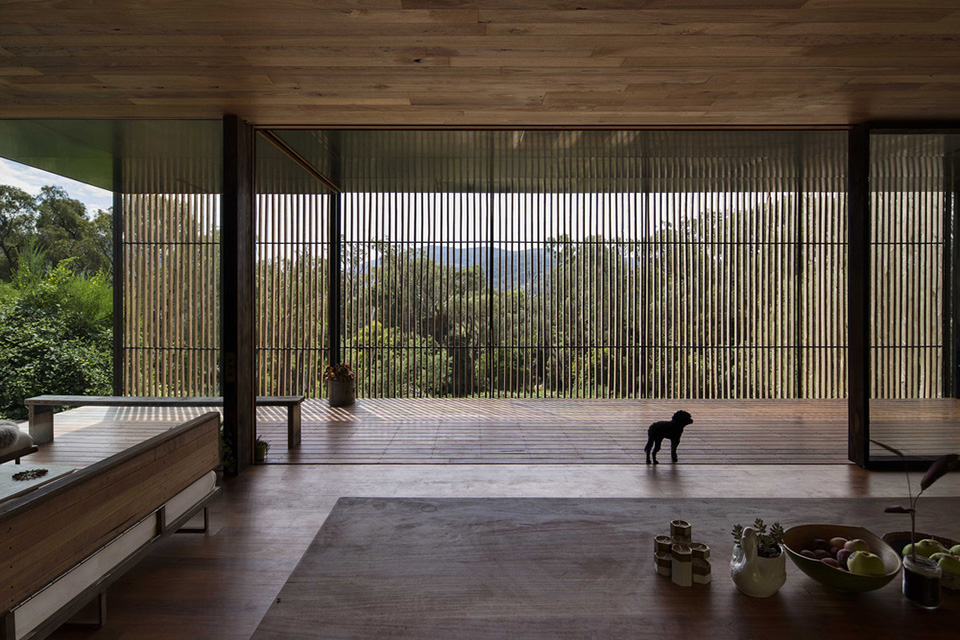
Above and between the concrete block perimeter, the Sawmill House is framed and accented with a local cypress called Macrocarpa. Hardwood floors and ceilings create a rich, natural scene that plays well with the visual tones of the concrete blocks. This shell of concrete and wood is open on one side, bringing the scenery of the sawmill lands into the home’s interior.
This scenery is central to the Sawmill House’s story. The retired gold quarry has seen new growth since its original use, and the view from the home is varied and interesting. Despite the industrial nature of the plot, the home feels natural and relaxing. It has the serenity of a Japanese tea house in the interior, but the strong and dynamic forces of nature and industry beyond. It’s perfect for the artist and his family, allowing peaceful relaxation within and an intimate connection with the base of his art around him.
The Sawmill House has already picked up two awards, winning the residential architecture category of the Victorian Architecture Awards 2015, plus the best new home under 200 square meters by Houses Awards 2015. It’s a clear success by design, a collaborative design/build project that paired an artist with an architect.
View in gallery
View in gallery
View in gallery
View in gallery
View in gallery
View in gallery
Sawmill House by Archier | Gallery
[Photography by Benjamin Hosking]
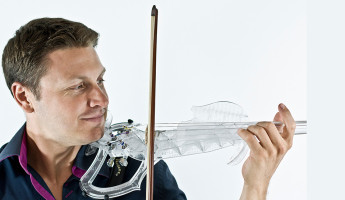
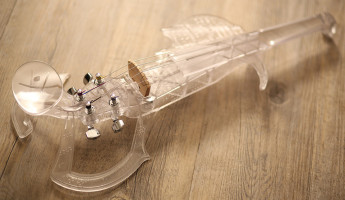
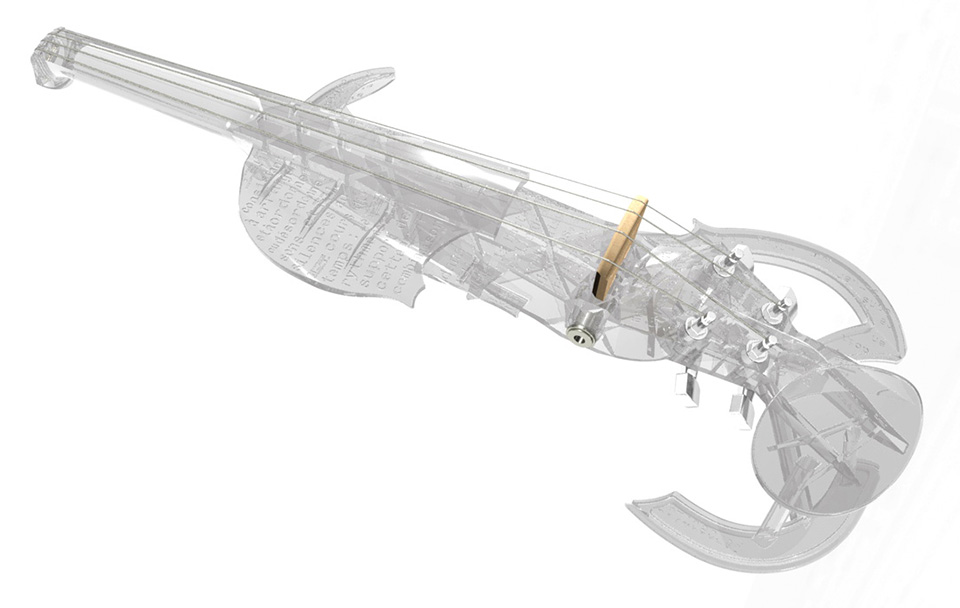
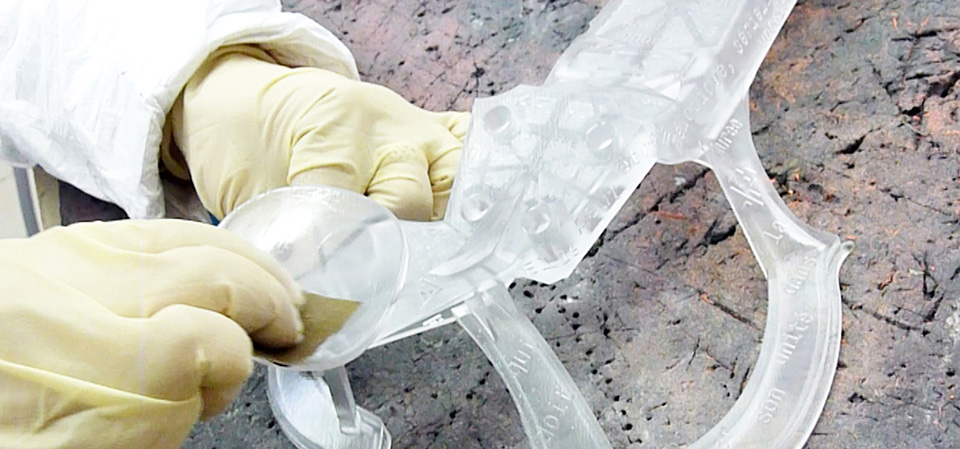
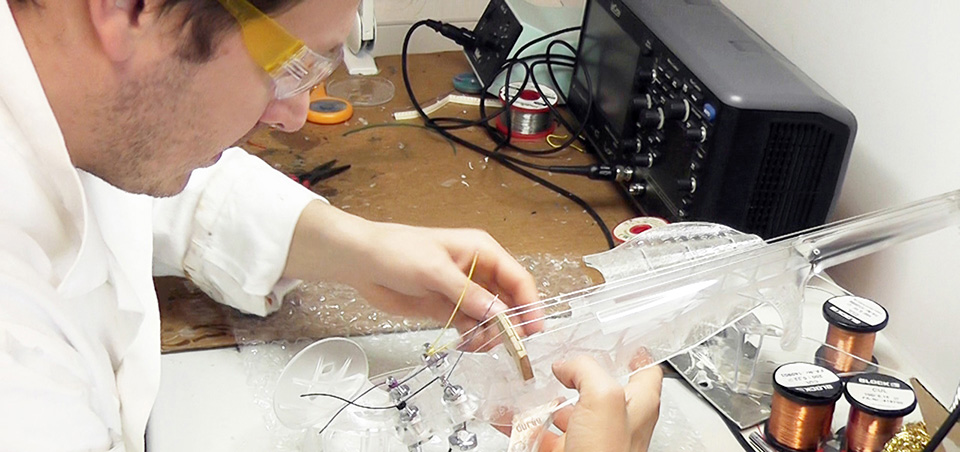
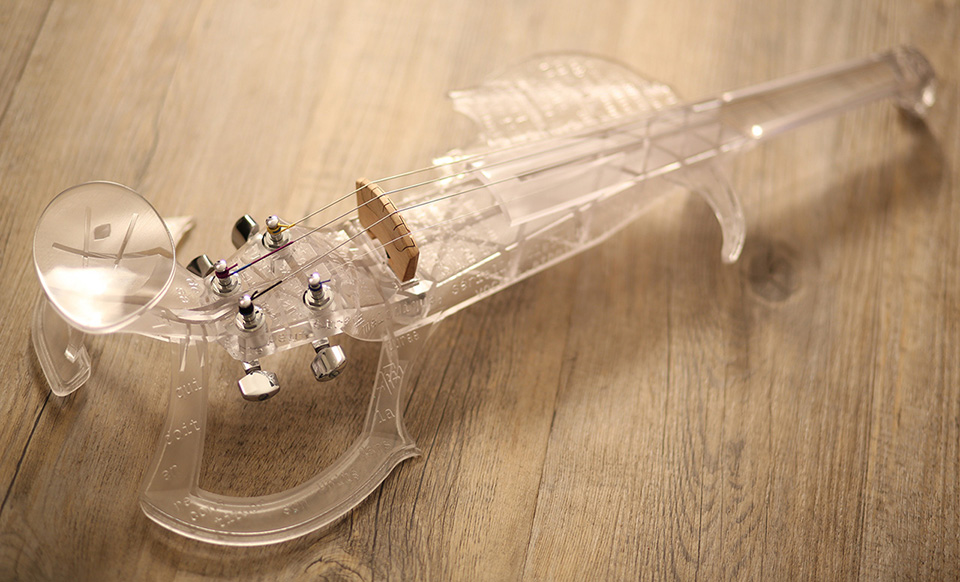
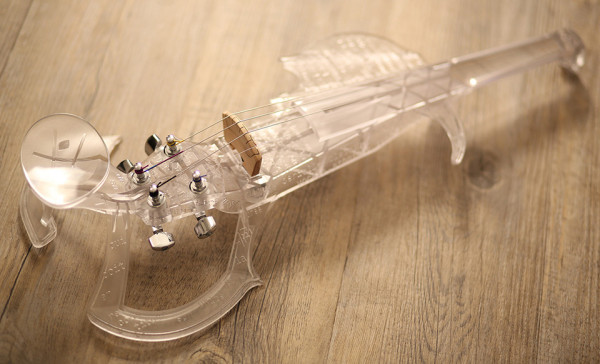
Technology has long been the driving force behind musical evolution. This newest gadget fuses old world instrumentation with new technology, namely 3D printing. It’s the world’s first 3D-printed violin, and it’s modeled after the most sought after violins in existence: the Stradivarius. The 3Dvarius is a 3D printed violin with an electric pickup for amplified playback. It’s not intended to sound quite like the violin that inspired it, but we can’t fault 3Dvarius for their ambition.
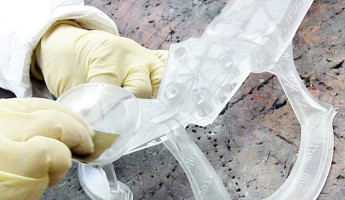
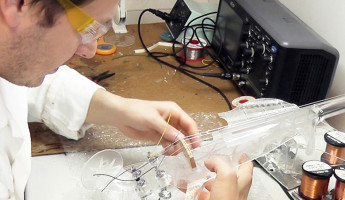
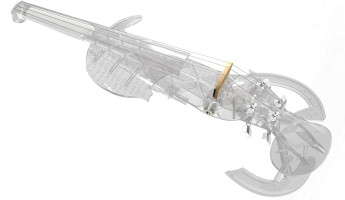
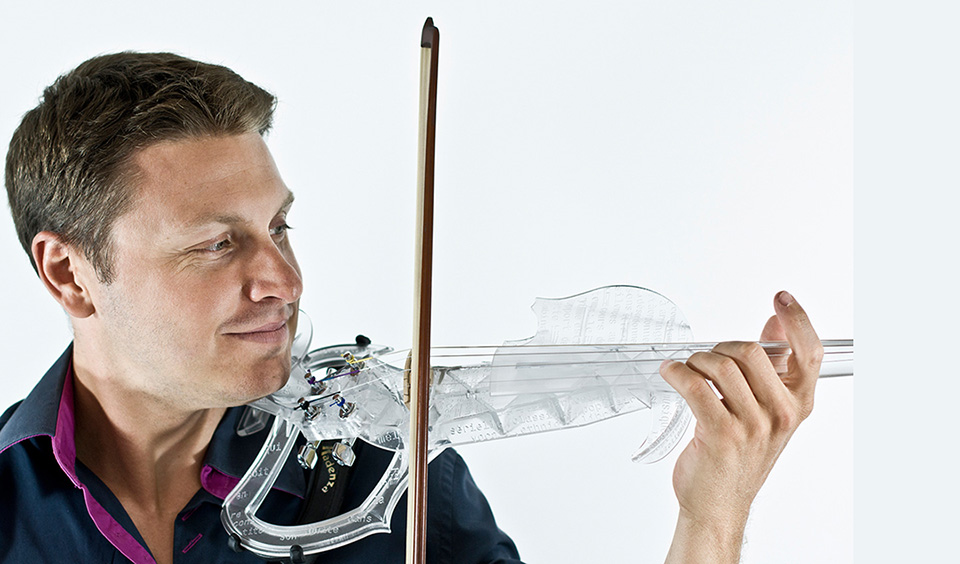
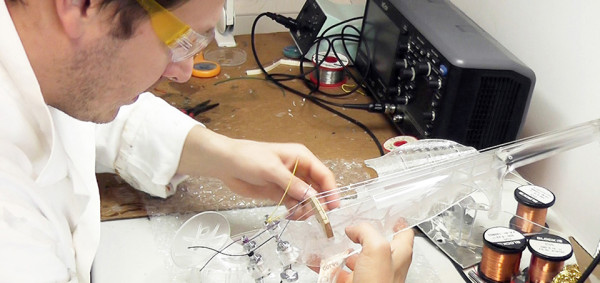
The 3Dvarius is an electric violin that’s produced with 3D printed plastic parts and conventional strings. It takes some of its shape from scans of a real Stradivarius violin, giving it quite the pedigree for quality. Despite feeling (and looking) a bit strange, it’s played just like any violin you could buy elsewhere. Place the bow on the strings and make this baby sing.
Check out the 3Dvarius in action:
3Dvarius 3D Printed Violin Demo
Sure, purists may scoff at a plastic violin made with computer-assisted technology. A key factor in traditional violin performance is the resonance from the wood and interior cavities. With a plastic violin, you just don’t get the same kind of sound.
The 3Dvarius isn’t intended to replace a wooden violin, however. It should be seen (and used) as its own kind of instrument. In that sense, this is an electric violin — specifically an electric violin with a very interesting back story.
The 3Dvarius 3D printed violin is still a prototype project and is not yet planned for wider production. The concept has a lot of promise, and it’s already being used to make some pretty funky music.
View in gallery

View in gallery
View in gallery
3Dvarius 3D Printed Violin | Gallery