View in gallery
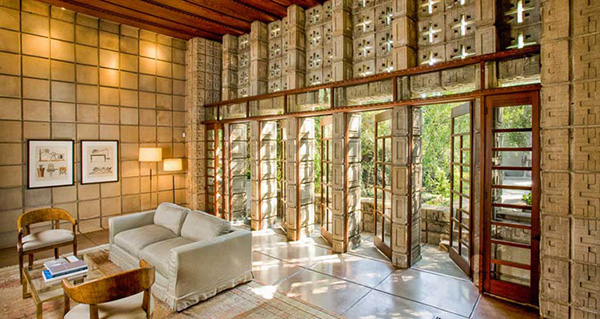
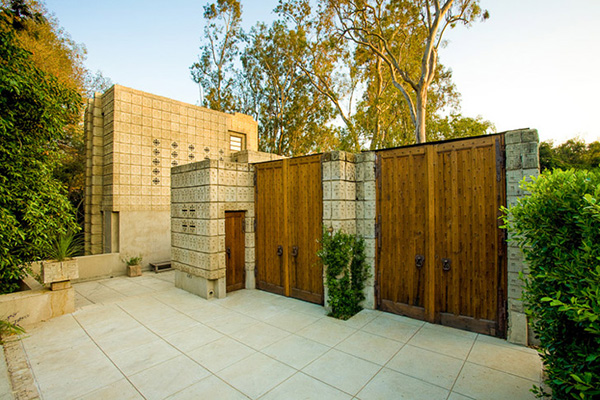
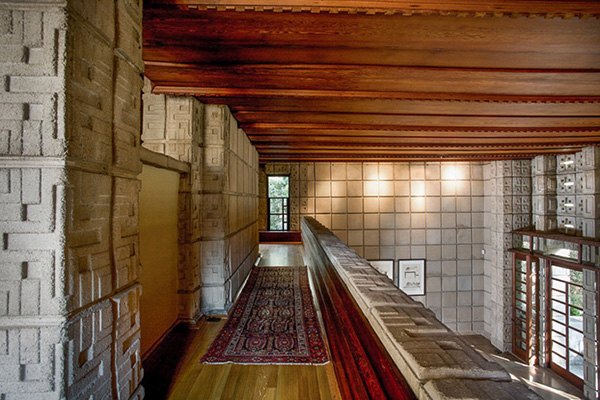
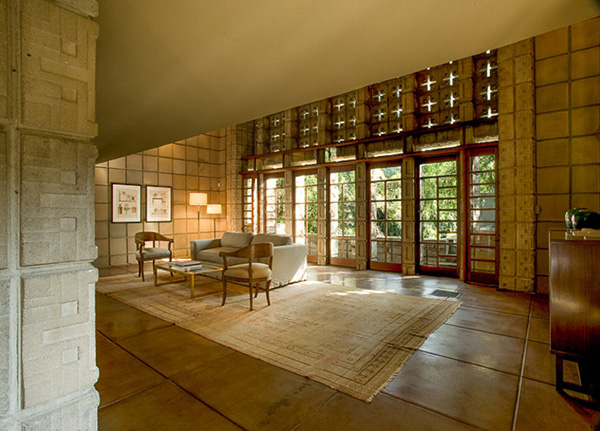
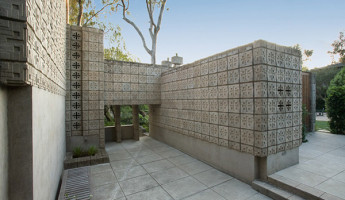
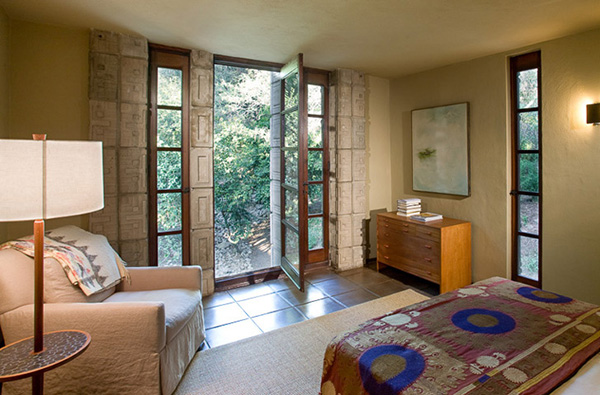
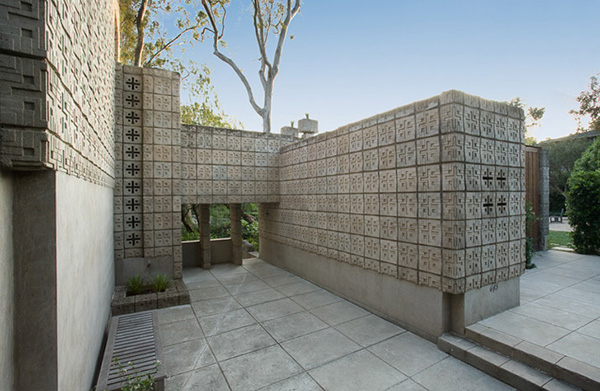
One of Frank Lloyd Wright’s most celebrated homes has officially hit the real estate market in Pasadena, California. The Frank Lloyd Wright Millard House , nicknamed “La Miniatura”, has been listed for sale for $4.5 million. It was a pivotal design for Wright, as it was the first of many modular block homes created in his twilight years as an architect. Of the 26 homes Wright designed in California, the Millard House was the first to feature his concrete textile-block signature. Five of these homes stand today throughout Southern California, and today marks the rare occasion that one of these five classics is available on the market.
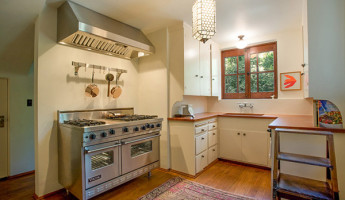
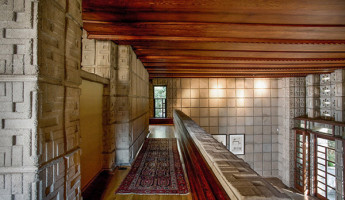
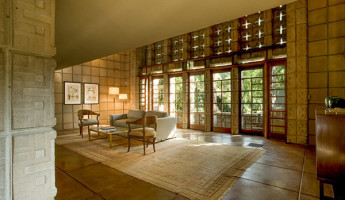
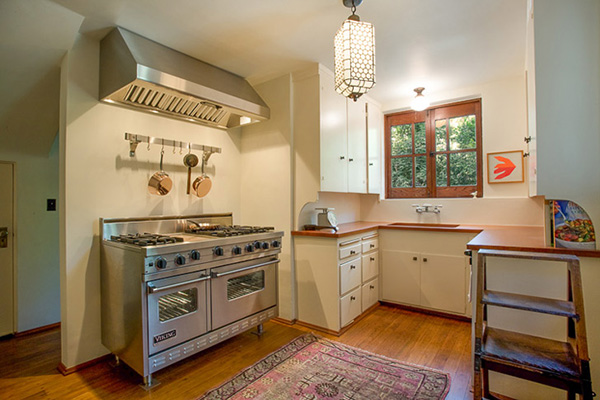
The home features a lush garden plot spanning a full acre of property in the Prospect Historic District of Pasadena. Indoors, the Millard House comprises four bedrooms and four baths, two kitchens, a living room, a formal dining room and a set of partially-attached garages. The concrete textile-block pattern shown on the exterior is repeated within, forming accent walls that open to the exterior and bring the nature of the garden to the eye indoors. Like many other of Wright’s famous works, the Millard House is listed on the national register of historic places. Whomever is lucky enough to purchase this home is buying a piece of history, one that will require faithful stewardship to ensure this home has a bright future. [photography by Scott Mayoral , via inhabitat ]
View in gallery
View in gallery
View in gallery
View in gallery
Frank Lloyd Wright Millard House | Gallery



One of the worst things about breaking a bone – aside from the terrible pain – is the general unwieldiness of casts. Wearing one is often held to be a genuinely unpleasant experience, made only slightly better by the cast signings. Factor in impossible-to-reach itches, the fact that most casts don’t do so well around water, and the inevitable stench upon their removal; and, well…things go from bad to worse. One designer thinks he might have the answer to all these problems – and a tool to speed up the healing of broken bones, in the process.
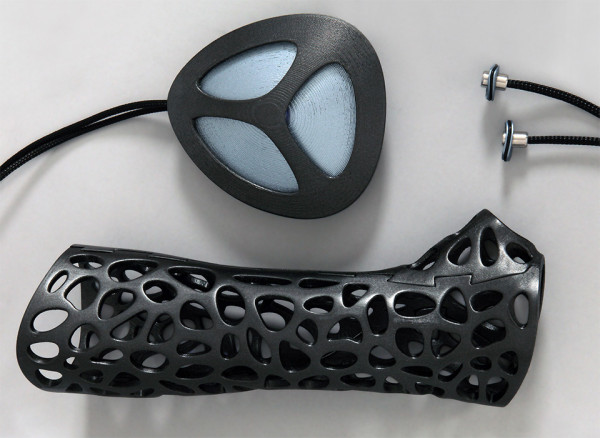
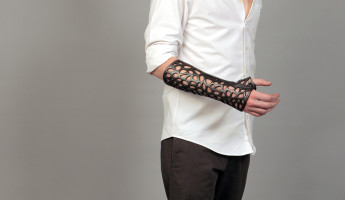
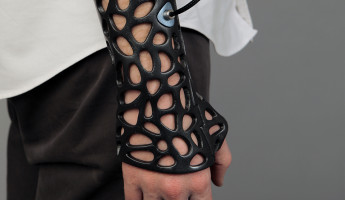
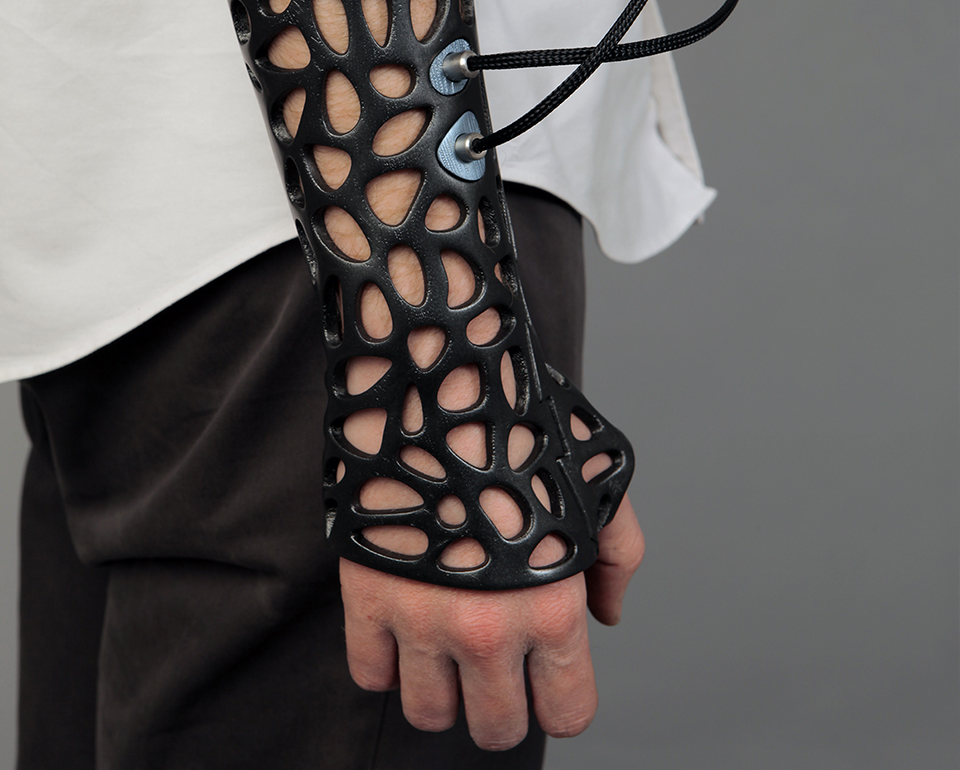
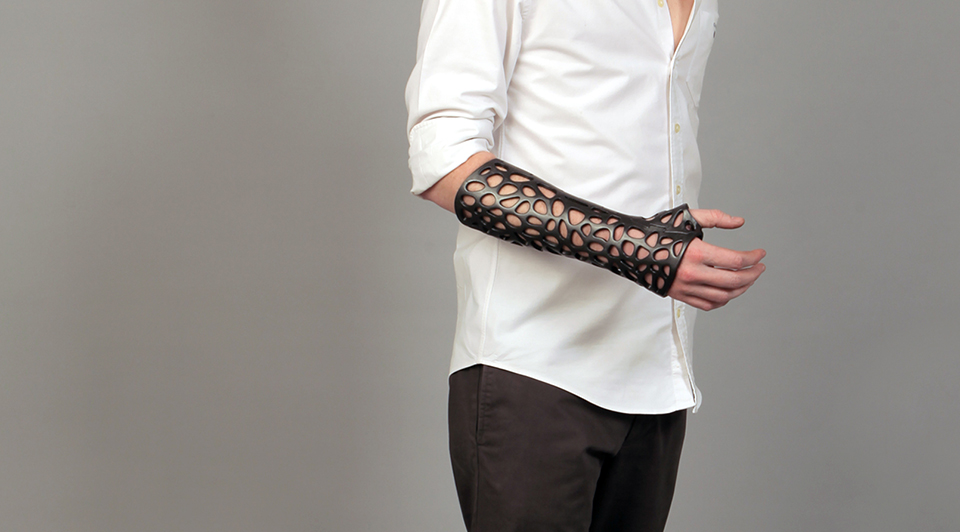
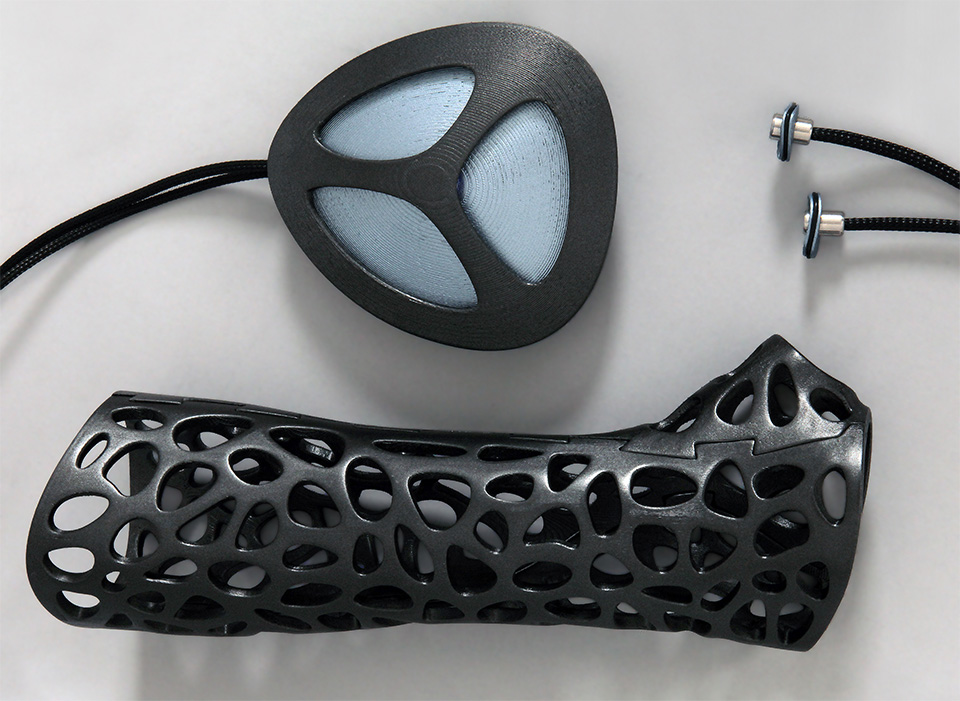
Modeled after Jake Evill’s Cortex 3D-Printed Cast, Deniz Karashin’s Osteoid Cast takes the same basic idea – a custom-made, 3D-printed ‘mesh’ cast fitted to the arm – and refines it. The well-ventilated cast has a snap-together design which can easily be removed; it’s also waterproof, meaning patients don’t have to concern themselves with getting it wet. The most interesting feature, though?
It’s something called a LIPUS – Low-Intensity Pulsed Ultrasound – Generator. Taking the form of a small, remote-control-like device, the LIPUS generator attaches to the cast and sends pulses of ultrasound into the affected area. That might sound a touch odd at first, until you consider that ultrasound therapy is a method that’s been scientifically proven to speed the regeneration of damaged bone tissue .
View in gallery
“For single 20 minute daily sessions this system promises to reduce the healing process up to 38 per cent and increase the heal rate up to 80 per cent in non-union fractures,”reads a description of the device.; “in order to function, the LIPUS ultrasound probes have to be placed on the injured area with direct skin contact, because of this requirement it was not possible to use this method with patients using standard medical casts. Now thanks to the ventilation holes on the Osteoid medical cast the LIPUS bone stimulator probes can be placed over the injured area.”
In addition to being completely painless to wear, the cast is also completely painless to fit, as well: a patient’s broken limb is simply 3D-scanned into a computer, where a technician then designs a cast custom-made for the injury, taking into account everything about the patient and cast imaginable.
Currently, Osteoid is only a prototype, but I can’t see something like this failing to catch on. Not only is it a relatively elegant (and painless) solution to traditional casts; it’s also a recovery tool.
View in gallery
Osteoid 3D-Printed Cast | Gallery
View in gallery
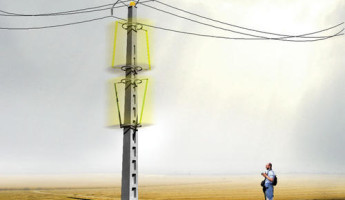
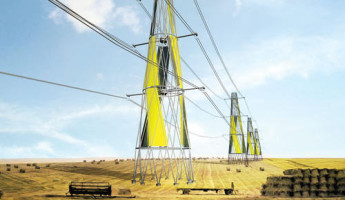
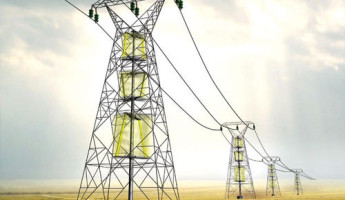
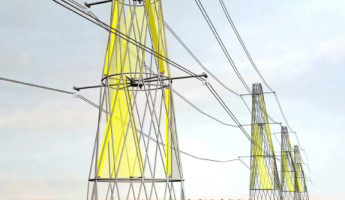
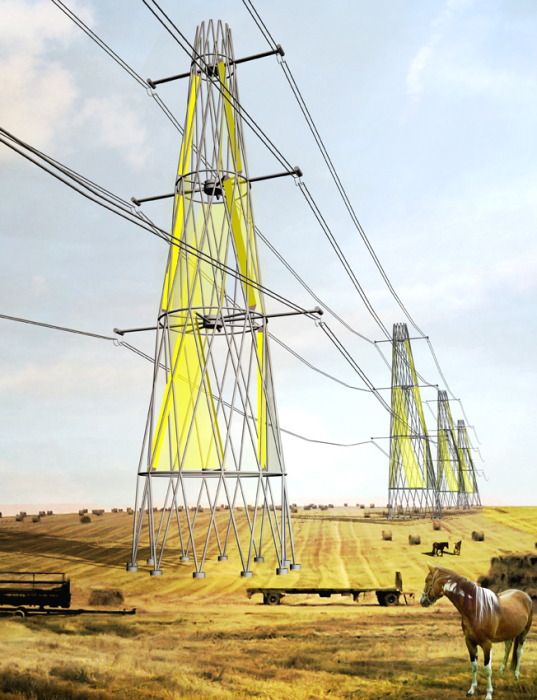
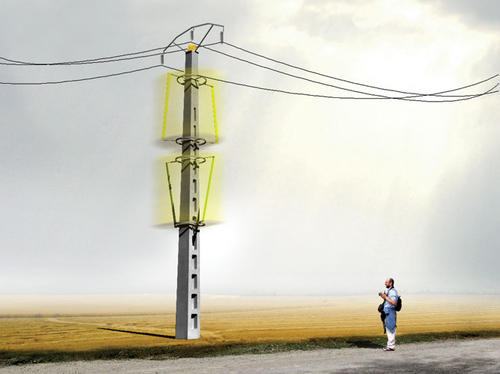
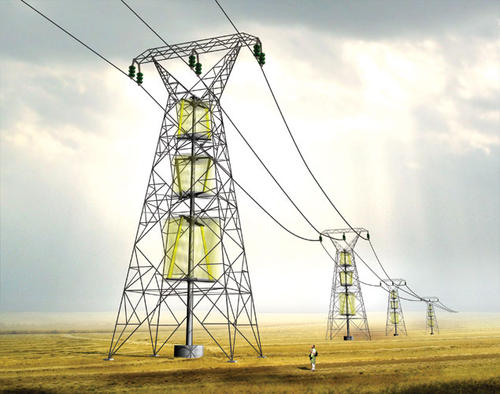
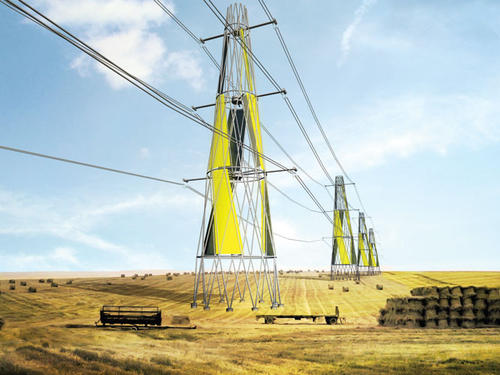
The two greatest criticisms of wind power farms are their construction costs and the visual drain they pose on otherwise natural environments. Suppose, however, there was a way to cut building costs by using existing infrastructure– and to add these eyesores to existing eyesores. A group of enterprising, eco-conscious thinkers have dreamed up a plan where existing electricity towers are used as wind power sources. The “Wind It” project by Nicola Delon, Julien Choppin, and Raphael Menard proposes a string of the tower-ported wind turbines to be placed in wind-sensitive areas, then feeding this freely-generated power directly back into the grid. While the project was conceived for France, the team insists that this technology could be employed in China, in the US and otherwise. We wouldn’t mind this tech powering our homes… would you? [via inhabitat ]
View in gallery

View in gallery
Electricity Tower Wind Turbine Gallery :