Things way up there have always fascinated us even from the time of our ancestors. But nowadays all thanks to science, we have a much deeper knowledge about the universe. And as technology advances, we will find more things out there to make us realize how small our planet is and how minute we are.
After 26 years of its launch, the Hubble space telescope is still creating all kinds of emotions in us with its images. We are taking a look at some of the best it has shot all these years.
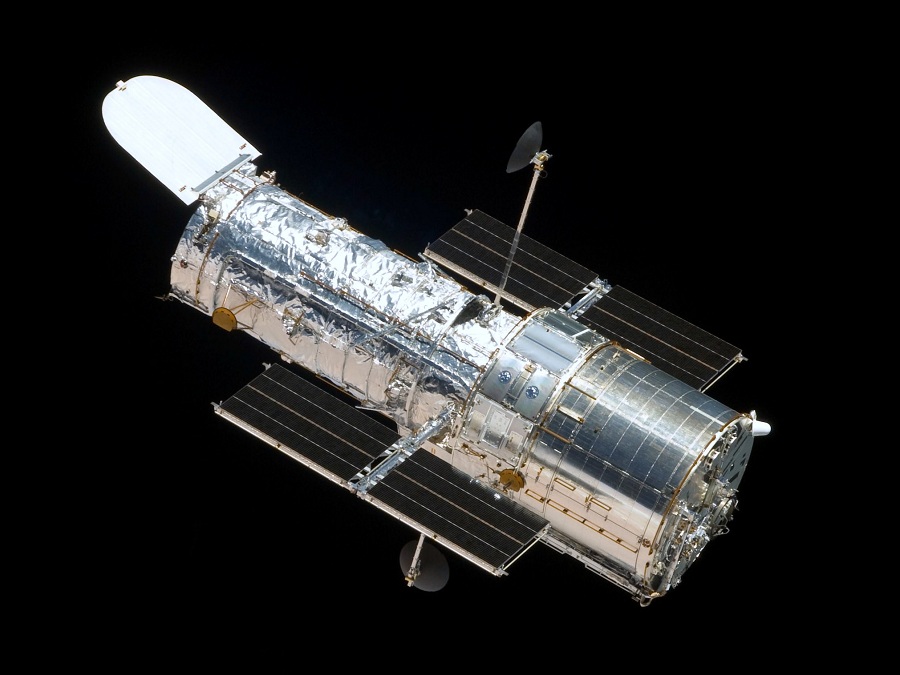
Hubble Space Telescope. Image taken from Space Shuttle Atlantis.
In The Solar System
Io, the fourth largest natural satellite in the solar system, is the innermost of the four Galilean moons of Jupiter. It was caught in front of the gas giant , appearing to be just above Jupiter’s clouds but it’s actually 310,000 miles away.
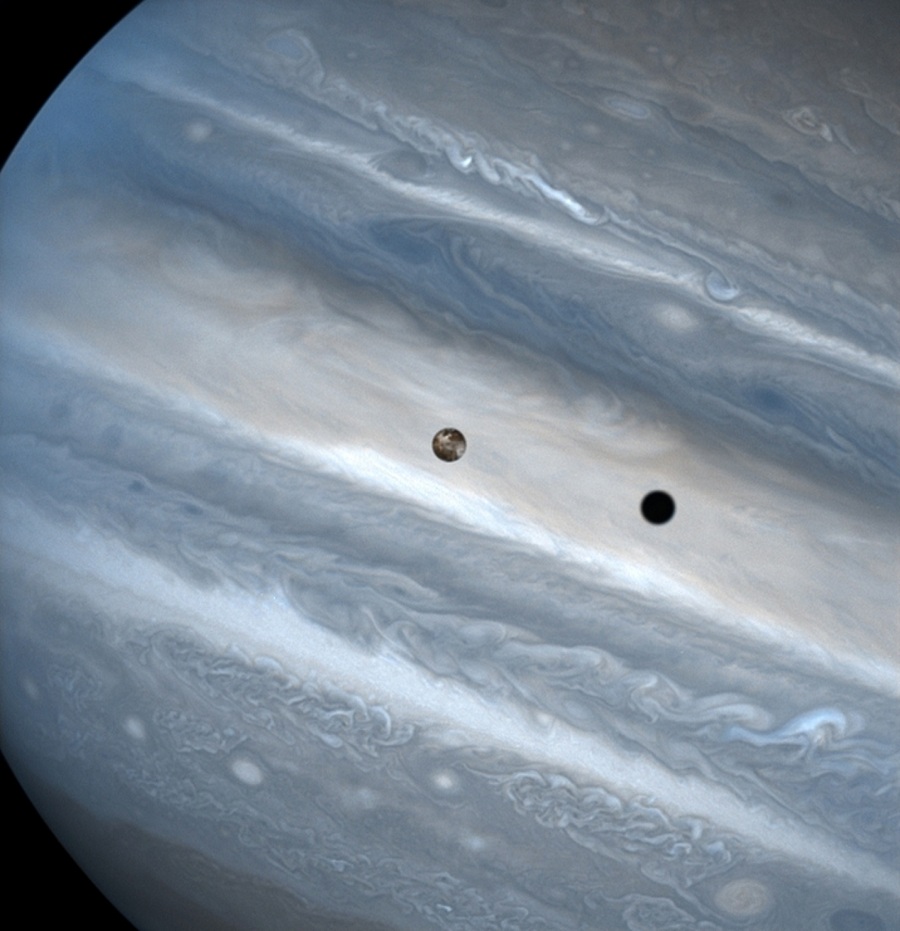
Jupiter and its moon Io.
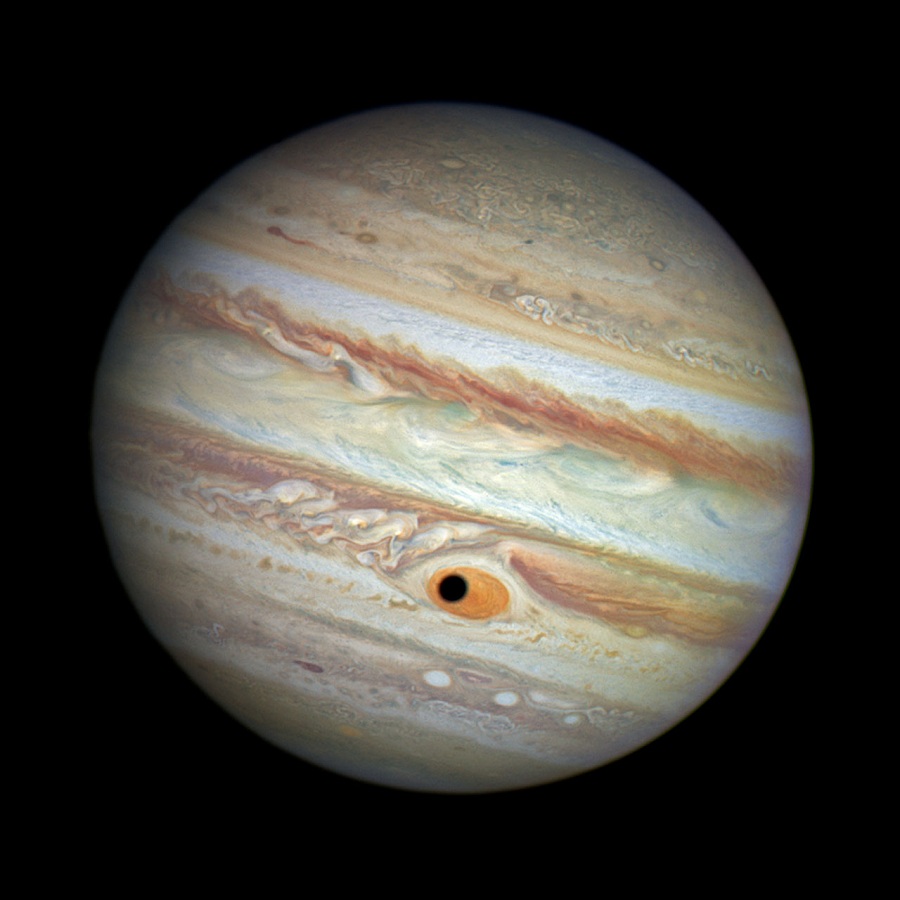
Just in case you didn’t hear it earlier, Jupiter is the largest planet in our solar system. It’s so big that its Great Red Spot , an anti-cyclonic storm you can see with Ganymede ‘s shadow on it in the image below, is three times the size of our Earth.
View in gallery
Mars, the red planet, is currently inhabited by robots. The image below shows the sharpest view ever of the planet taken when it was approximately 43 million miles from our planet.
![One large storm system high above the northern polar cap [top of image], and a smaller dust storm cloud can be seen nearby. Another large duststorm is spilling out of the giant Hellas impact basin in the Southern Hemisphere [lower right]. - 5](https://cdn.thecoolist.com/wp-content/uploads/2016/06/Mars-Hubble-Space-Telescope-The-Coolist.jpg)
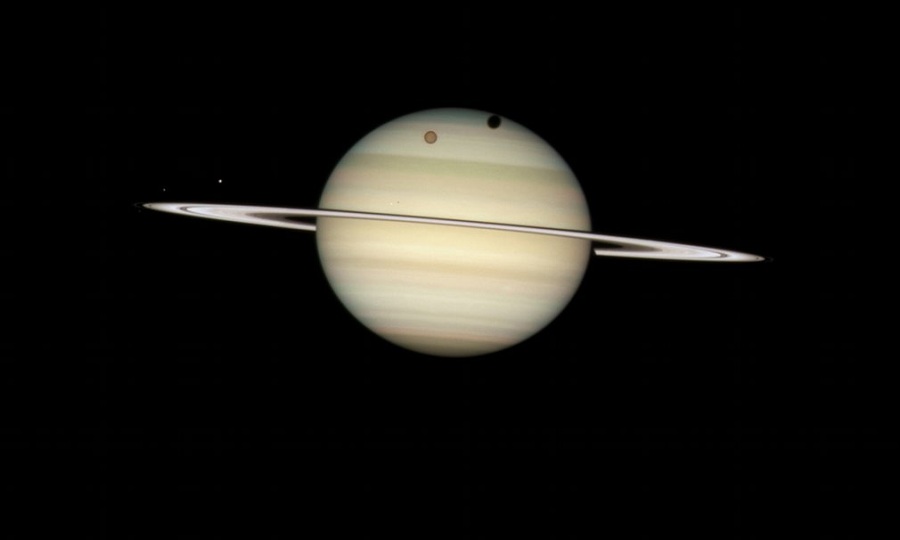
View in gallery One large storm system high above the northern polar cap [top of image], and a smaller dust storm cloud can be seen nearby. Another large duststorm is spilling out of the giant Hellas impact basin in the Southern Hemisphere [lower right]. When you were young you probably had no trouble remembering what Saturn looks like all thanks to its rings. It’s the second-largest planet in the solar system, with 53 natural satellites (there are a few other moons without formal names) four of which are seen below. The giant moon Titan has its shadow on Saturn’s north polar hood. Below Titan and slightly to the left is Mimas with a much smaller shadow on the equatorial cloud tops. Farther to the left are the moons Dione and Enceladus.
View in gallery
Galaxies
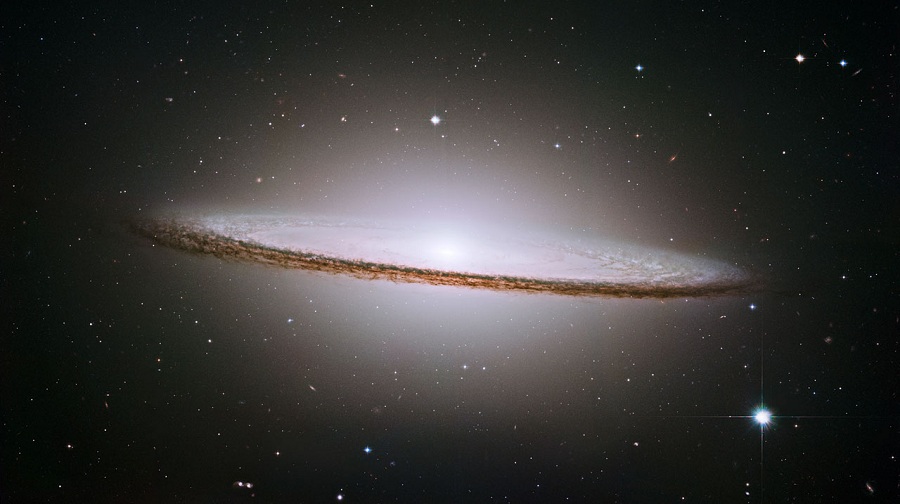
The Sombrero galaxy, or Messier 104 (M104), is 50,000 light years across and is located 28 million light years away from us. As you can see, it has a brilliant white core with a circle of thick dust lanes around it. Situated at the southern edge of the Virgo cluster of galaxies, the Sombrero is equivalent to 800 billion suns.
View in gallery
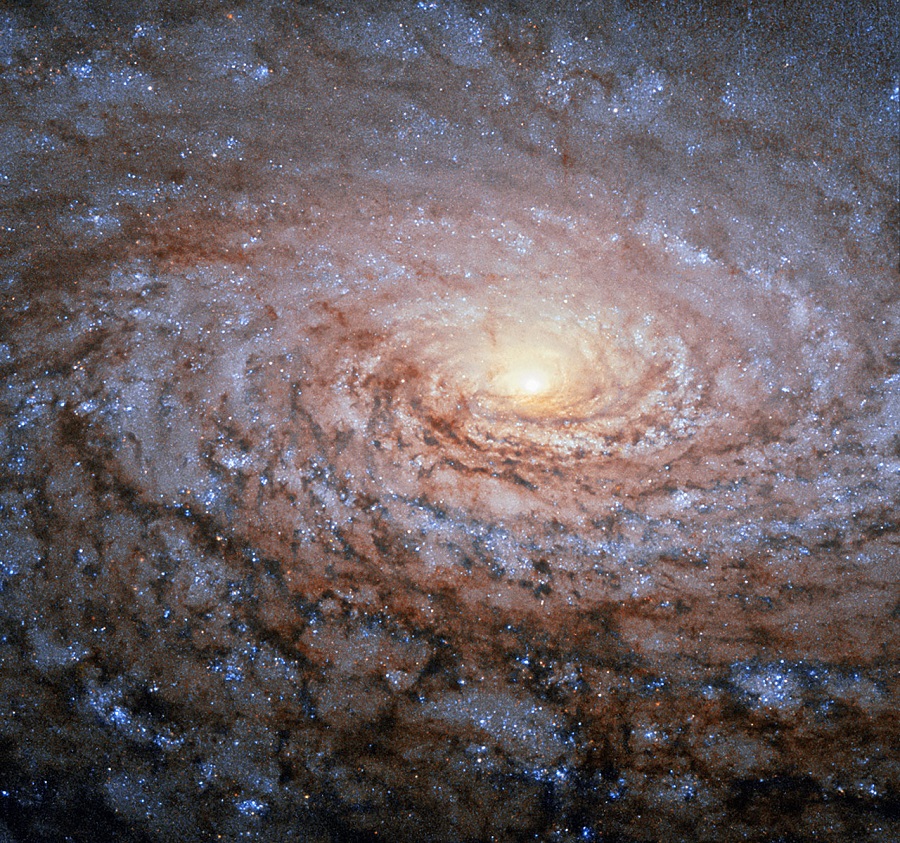
Because it reminds us of the pattern at a sunflower’s center, the Messier 63 is also called the Sunflower galaxy. The spiral galaxy is 27 million light years away from us and its winding arms shine bright due to recently formed, blue–white giant stars which are visible in the shot below.
View in gallery
The image below shows an area just 30 millionth of the whole sky. Yet the long exposure allows us to take a peek at about 5500 galaxies. Some of these galaxies are so far away from us that we are looking at them when the universe was less than 5% of its present age.
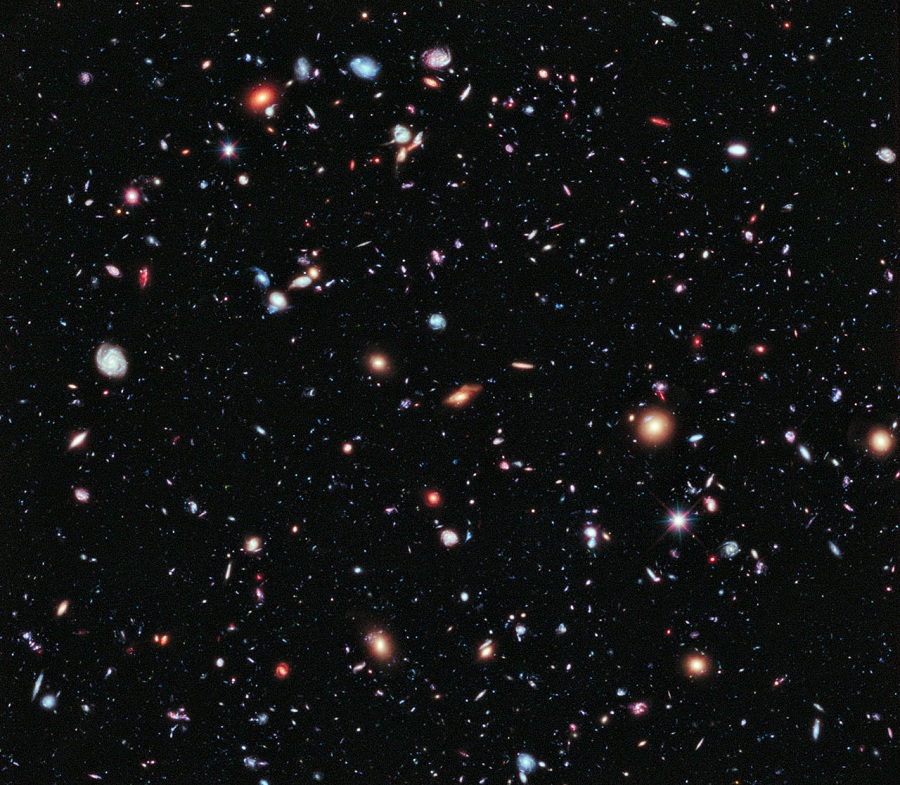
That’s a lot of galaxies.
Stars
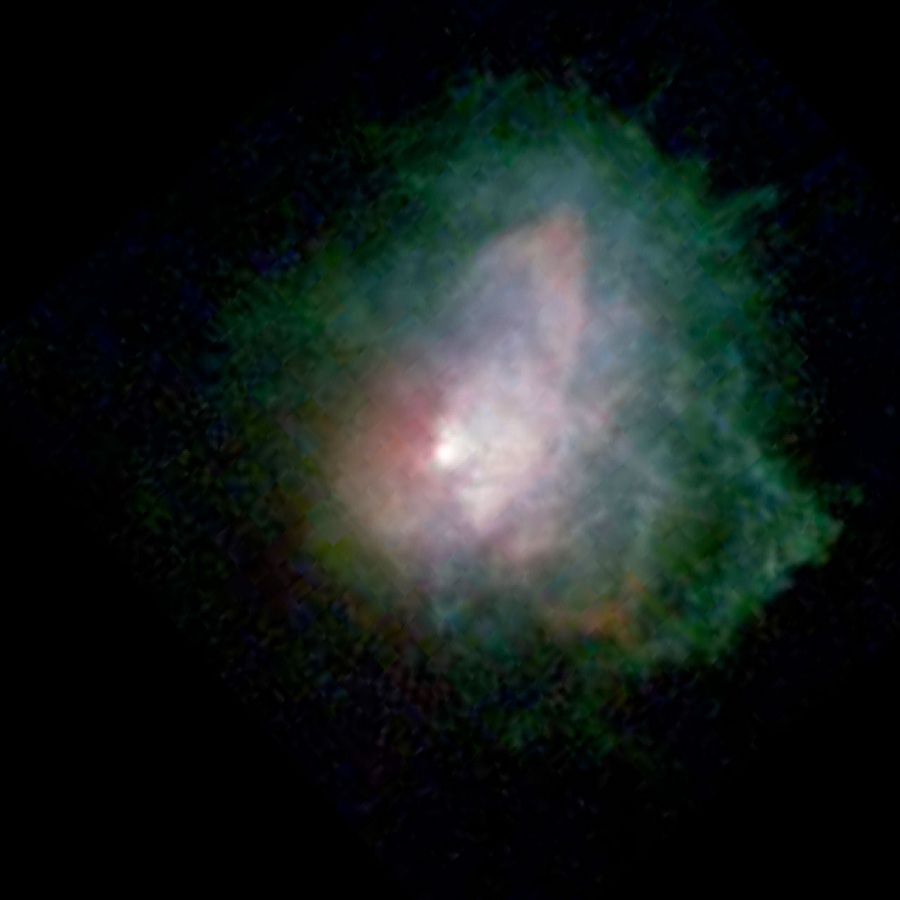
Although astronomers still don’t know the exact radius of the star in the image below, it is one of the largest stars known to man. Called VY Canis Majoris, the red hypergiant is in the Milky Way and has a radius of approximately 1,420 ± 120 solar radii. Can’t imagine how huge it is? Just know that if you keep it at where our sun is now, its surface would extend beyond Jupiter’s orbit. It will swallow our sun, the planets Mercury and Venus, our moon (there goes our romantic sky), us, Mars, and Jupiter. But don’t worry, it is about 3900 light years away from us. It is also nearing the end of its life; that’s why we see a lot of outbursts from it.
View in gallery
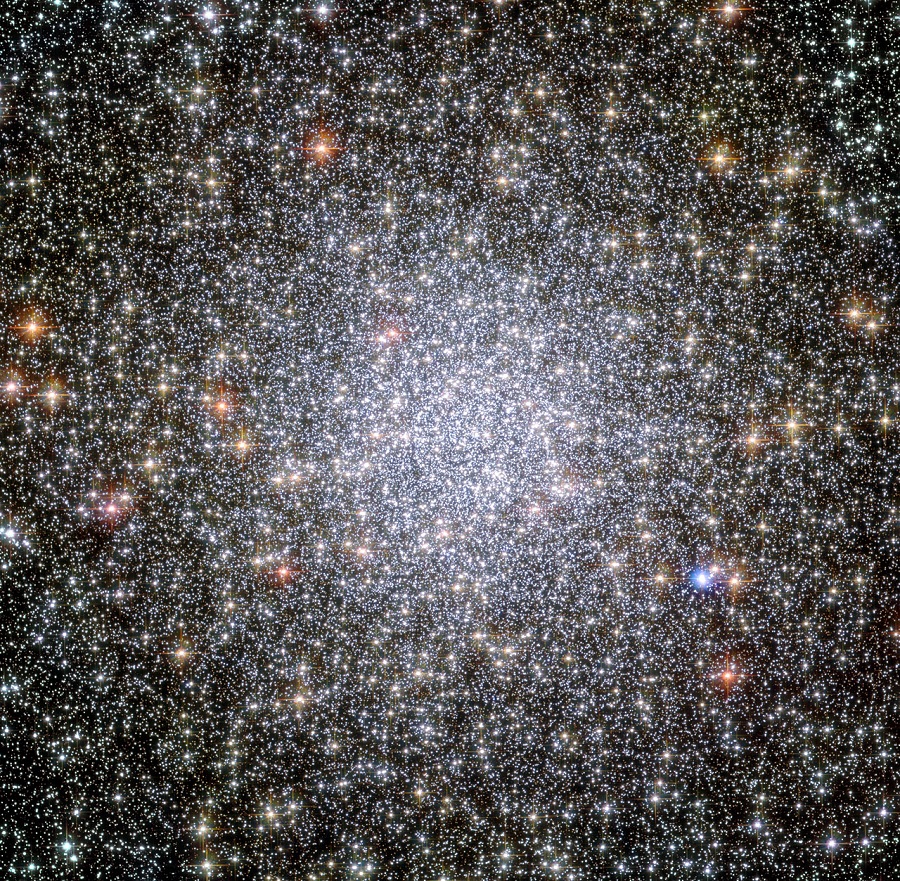
Part of the constellation of Tucana, the globular cluster NGC 104 or 47 Tucanae is home to 35,000 stars. It is the second most brightest globular cluster in the night sky (first is Omega Centauri ).
View in gallery
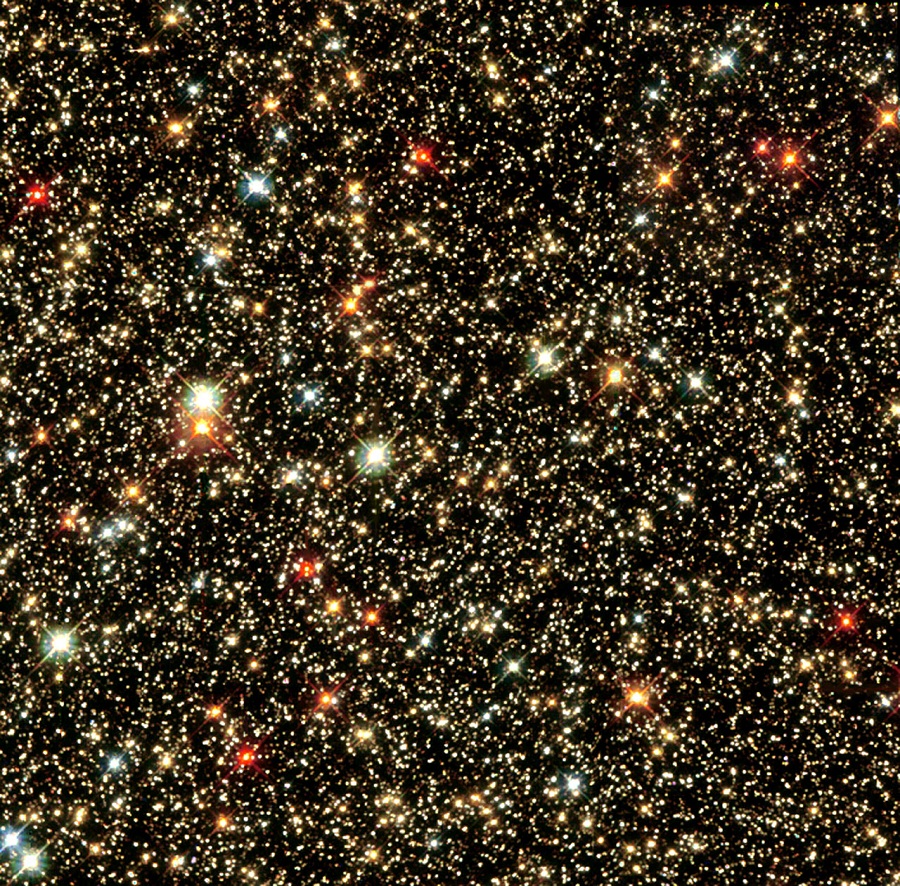
As you know, we live in the Milky Way galaxy. But because of the presence of dust, we can’t properly see much of our galaxy. The stars that you see below, which are part of the Milky Way, are in the dust-free region called the Sagittarius Star Cloud. It’s more beautiful than a treasure chest full of gems, right?
View in gallery
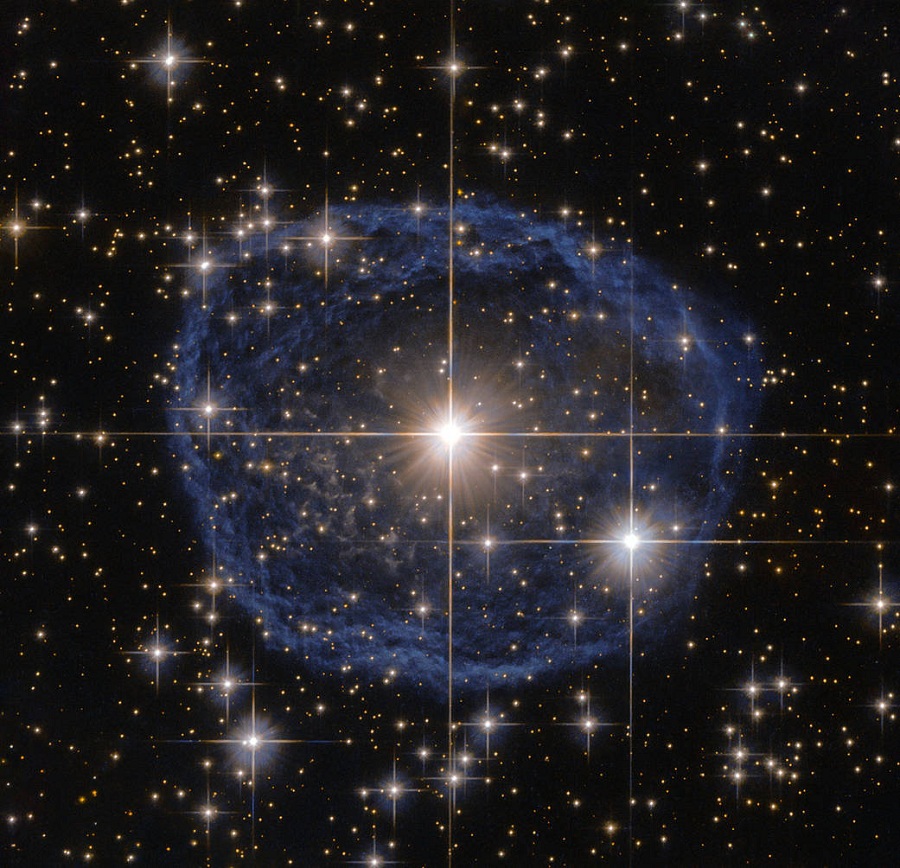
The Wolf–Rayet star WR 31a, seen with a blue bubble around it, is about 30,000 light years away in the constellation of Carina. The bubble is a Wolf–Rayet nebula, which is an interstellar cloud of dust, hydrogen, helium and other gases.
View in gallery
Some More Magnificent Images
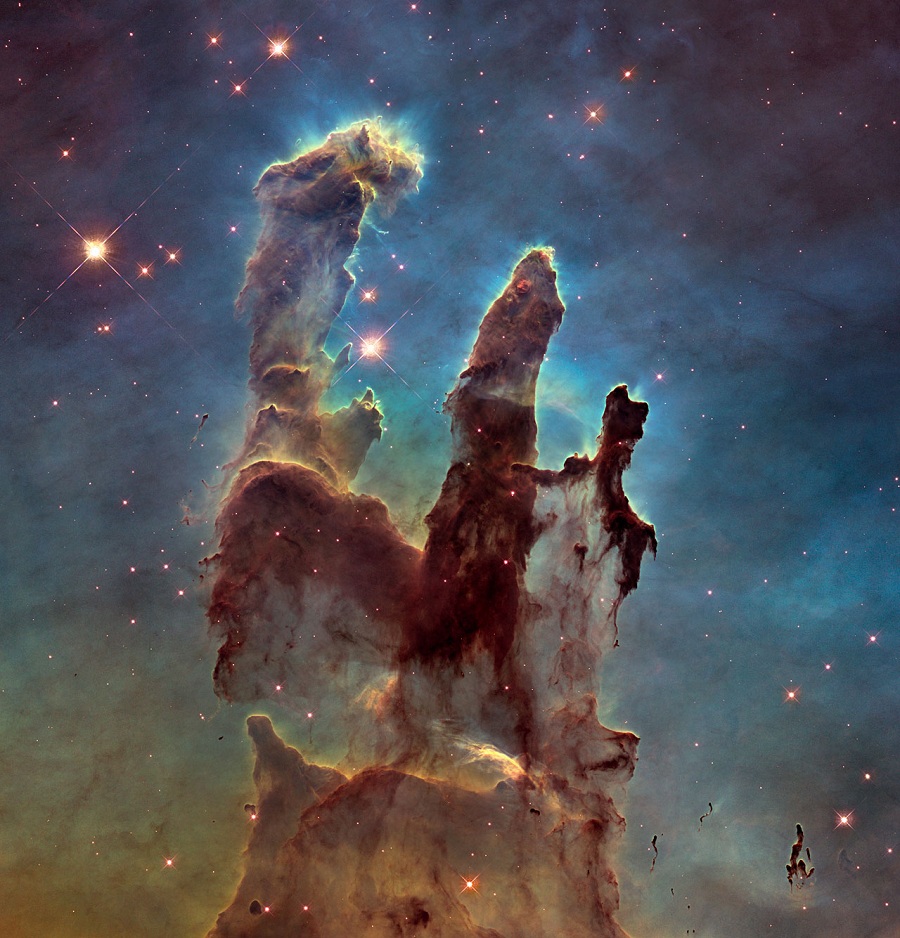
The Eagle Nebula’s Pillars of Creation.
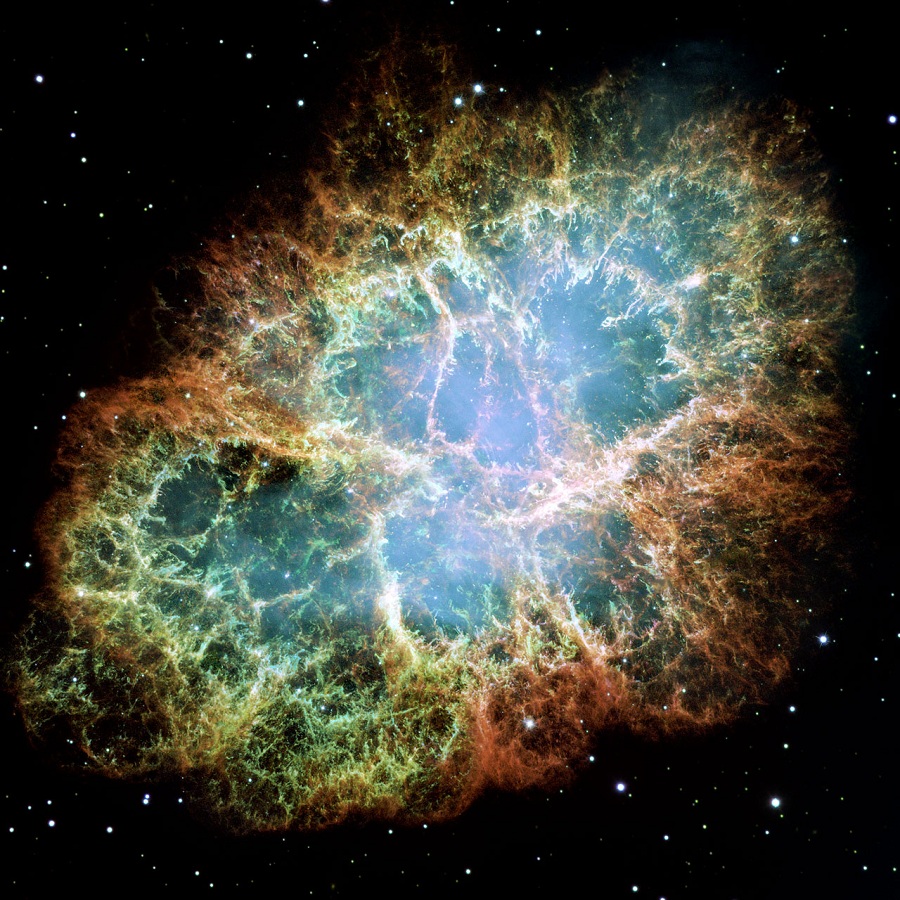
Crab Nebula.
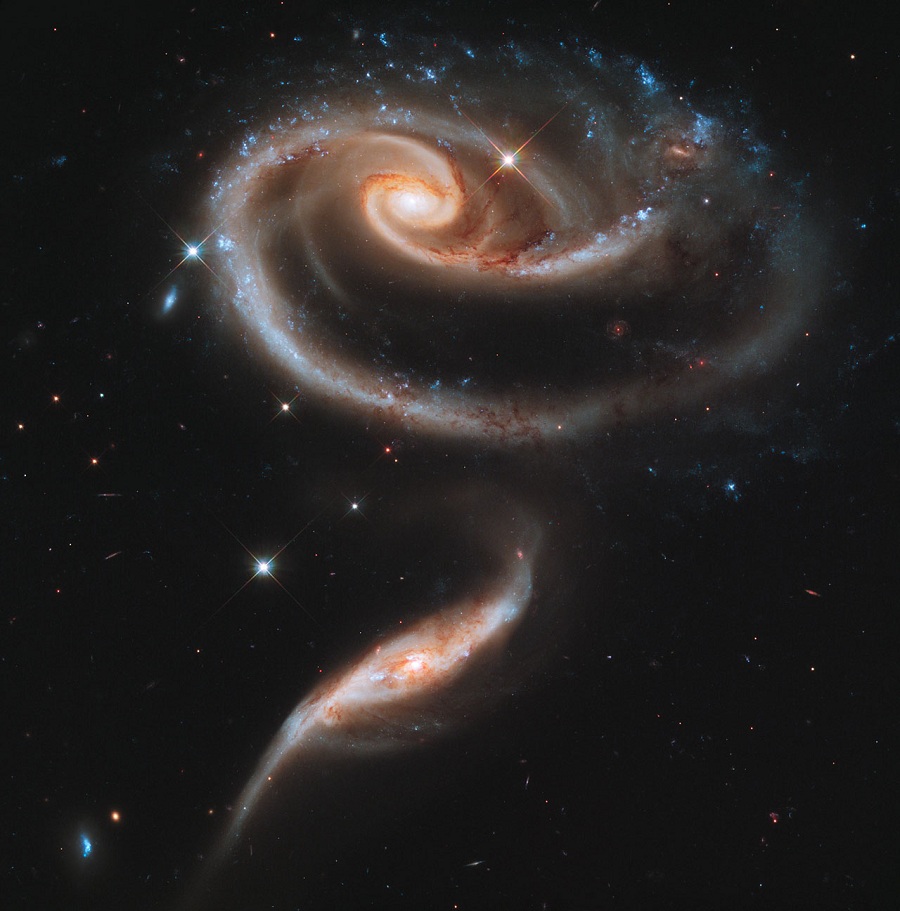
Arp 273: A pair of interacting galaxies. A sky rose?
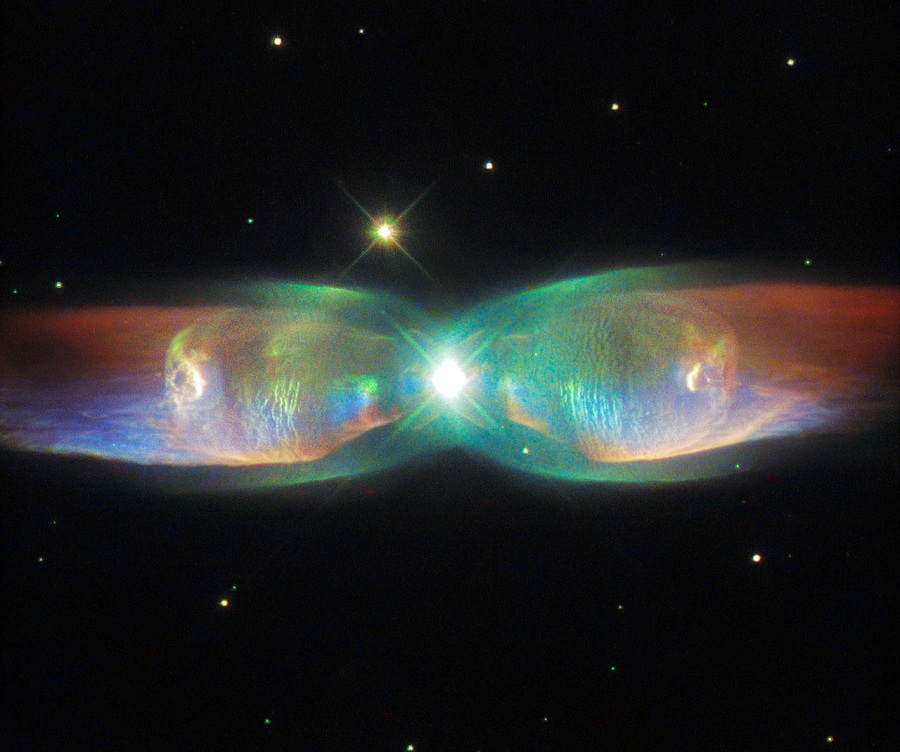
The Twin Jet Nebula or PN M2-9, a bipolar planetary nebula. Bipolar planetary nebulae are formed when the central object is not a single star, but a binary system.
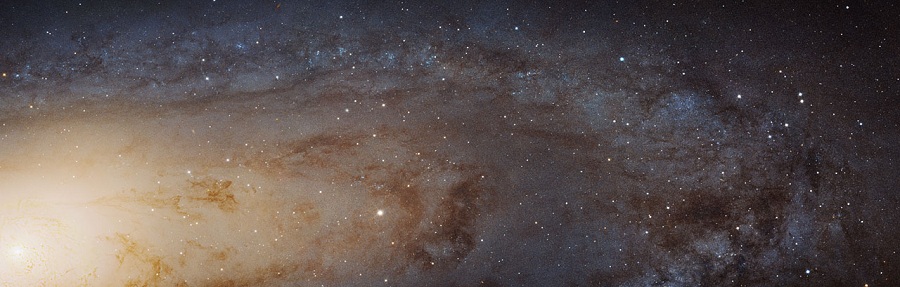
Thelargest and sharpestimage ever of the Andromeda galaxy.
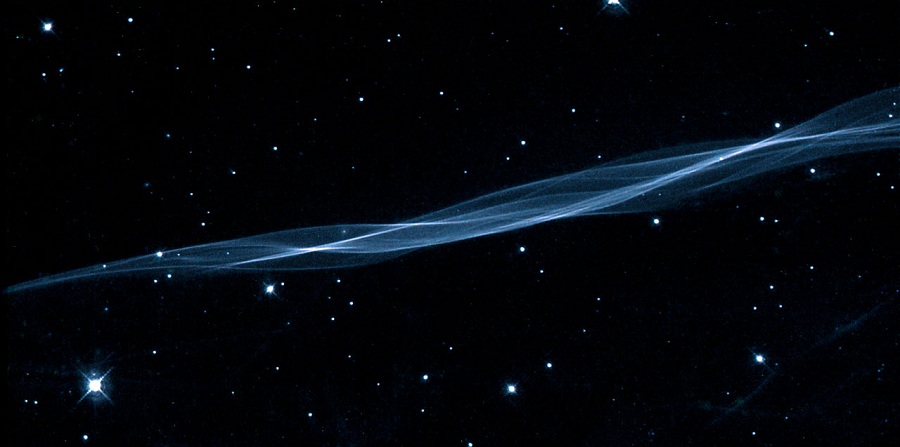
A small portion of the Cygnus Loop nebula.
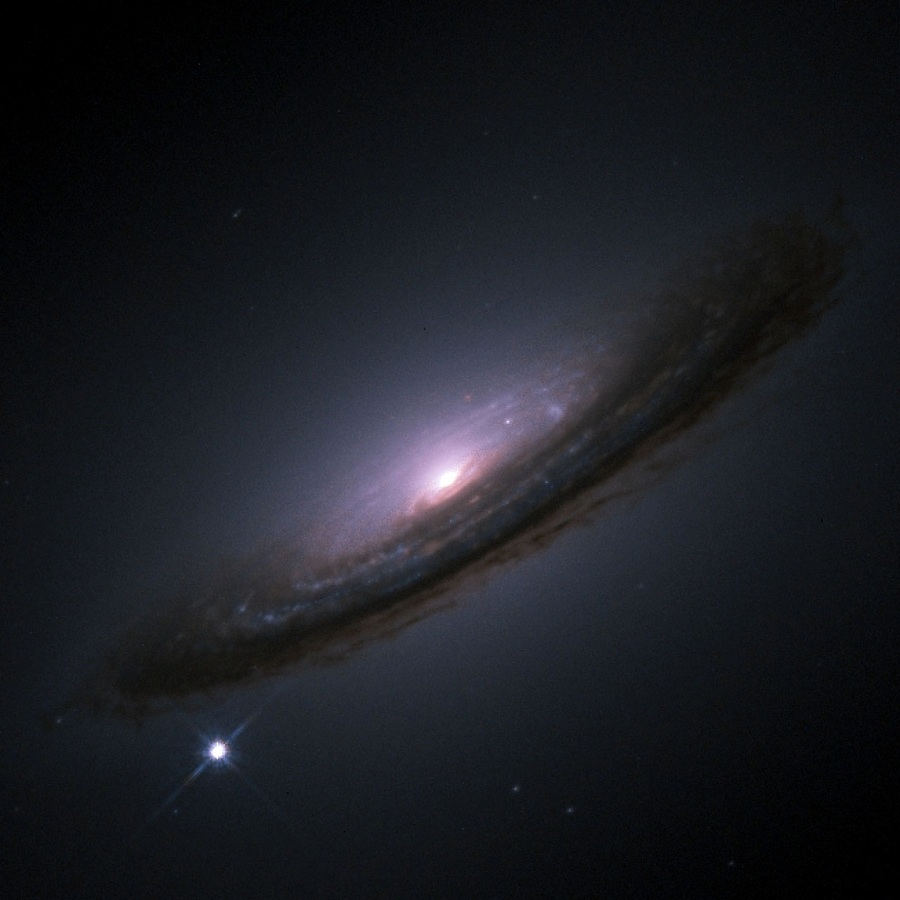
Supernova 1994D in galaxy NGC 4526.
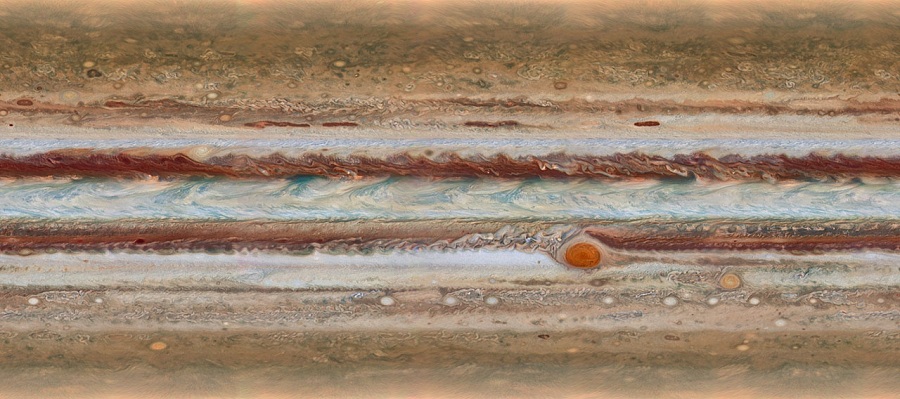
Jupiter’s atmosphere.
Sources: Space Telescope , Hubble Site , NASA
