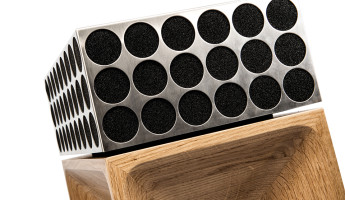
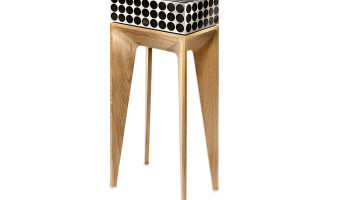
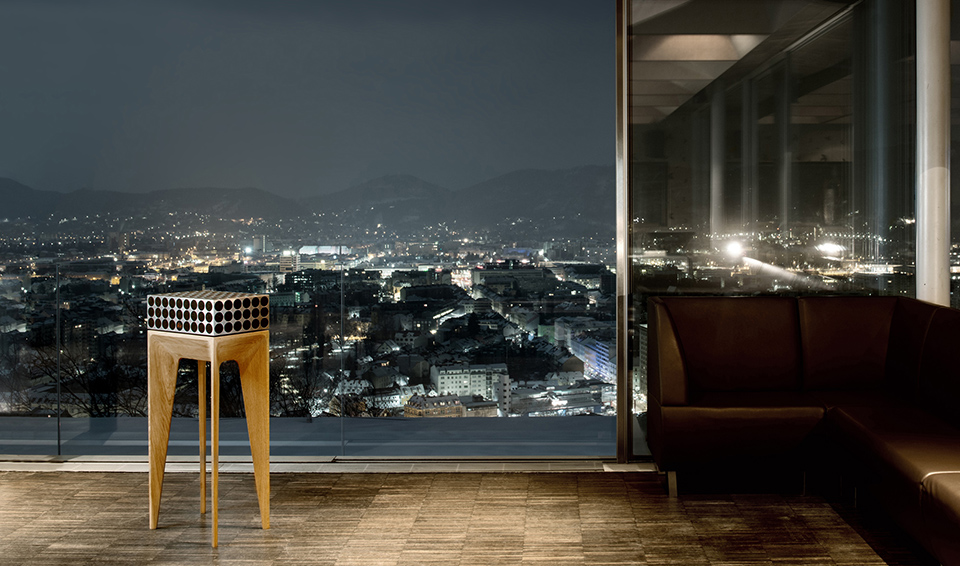
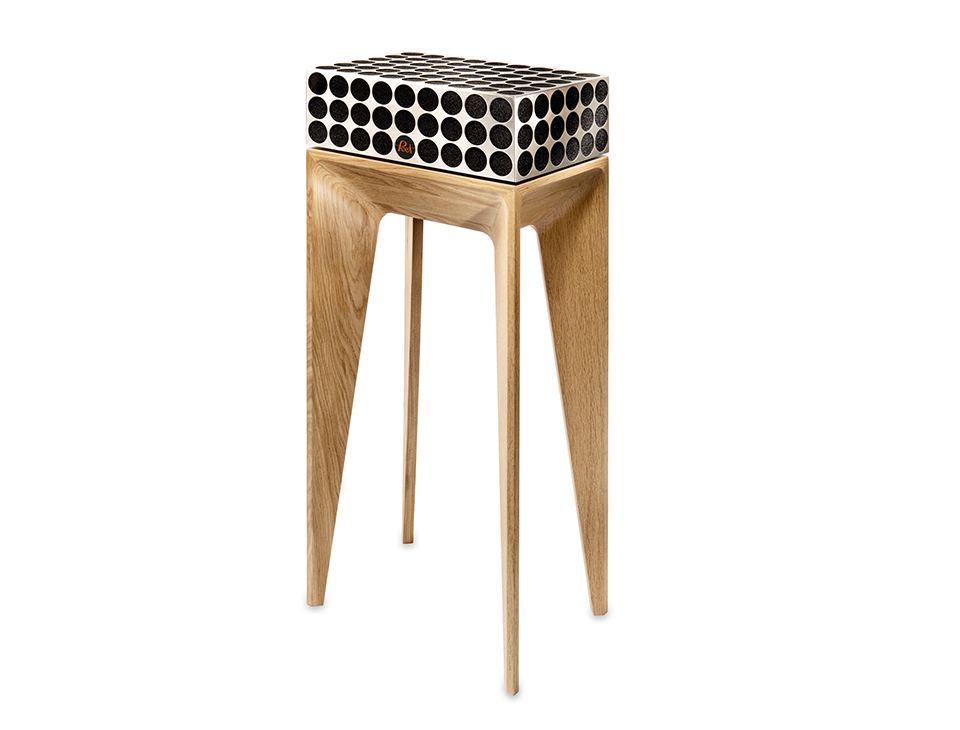
We’ve seen our fair share of beautiful Bluetooth speakers, but we’ve never seen one quite like this. The Poet Audio Pandoretta may be the most exclusive Bluetooth speaker ever built. It’s the collaborative work of product designer Thomas Feichtner and “sound scientist” Thomas Pfob, and it is targeted at those with disposable incomes. How much exactly? $7,200 USD for the speaker system and that sexy wooden stand.
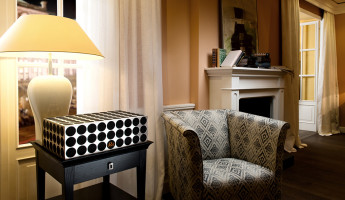
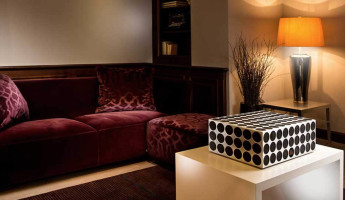
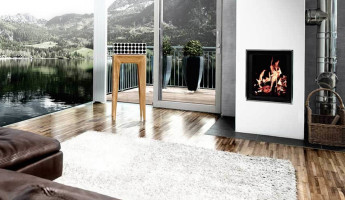
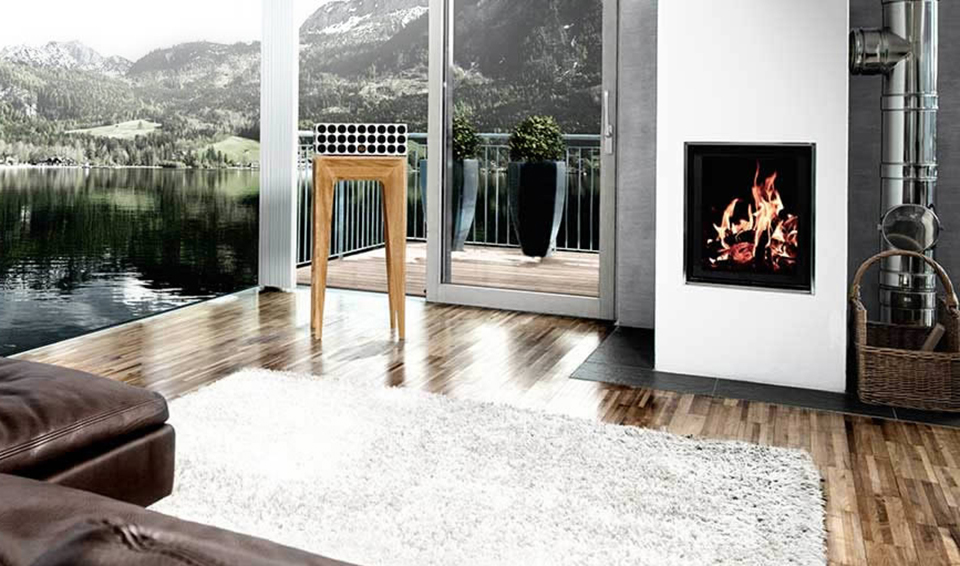
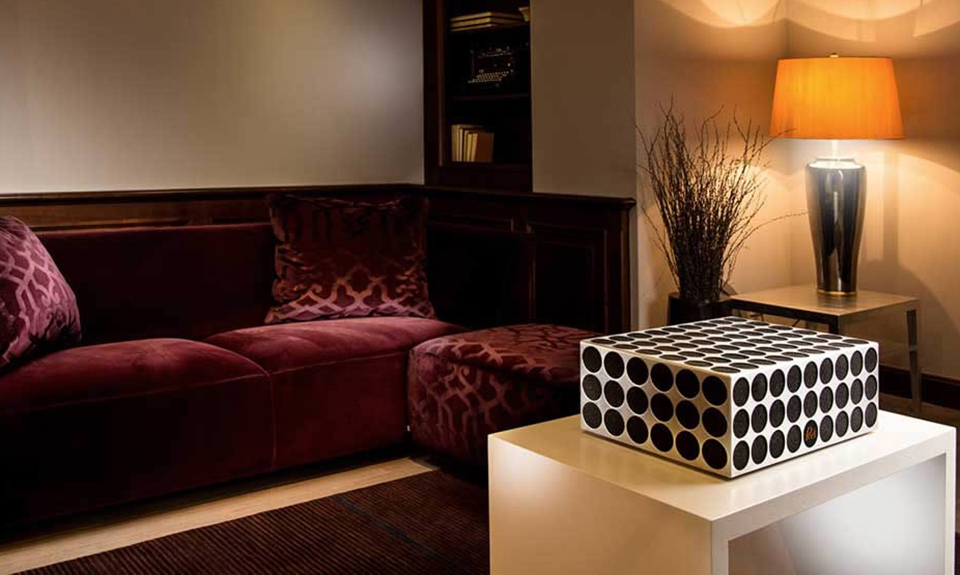
Don’t let the “bluetooth speaker” distinction suggest that this is a mobile device. It isn’t. It’s designed and built to be the centerpiece of the very upscale living room.
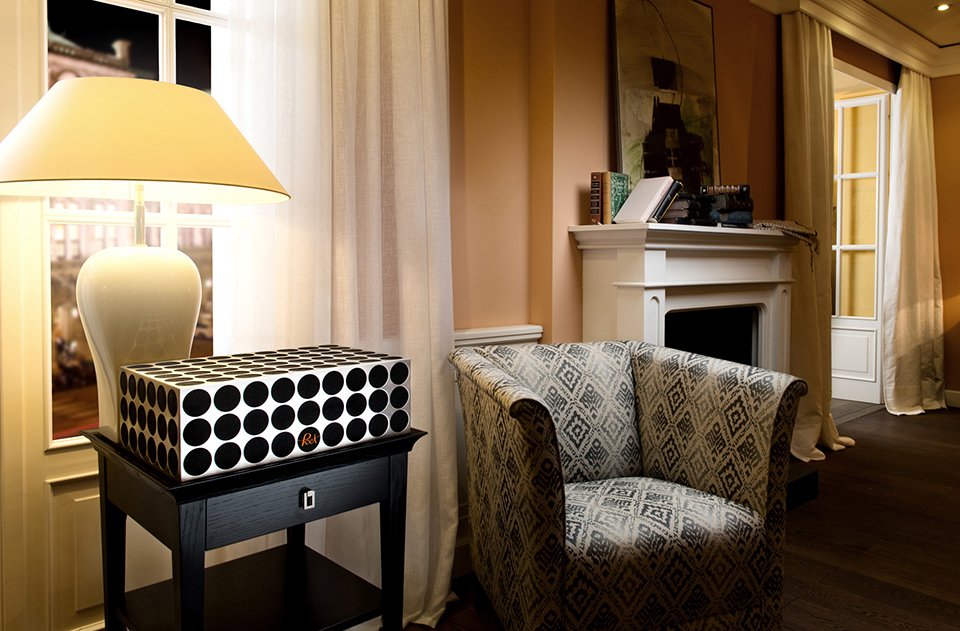
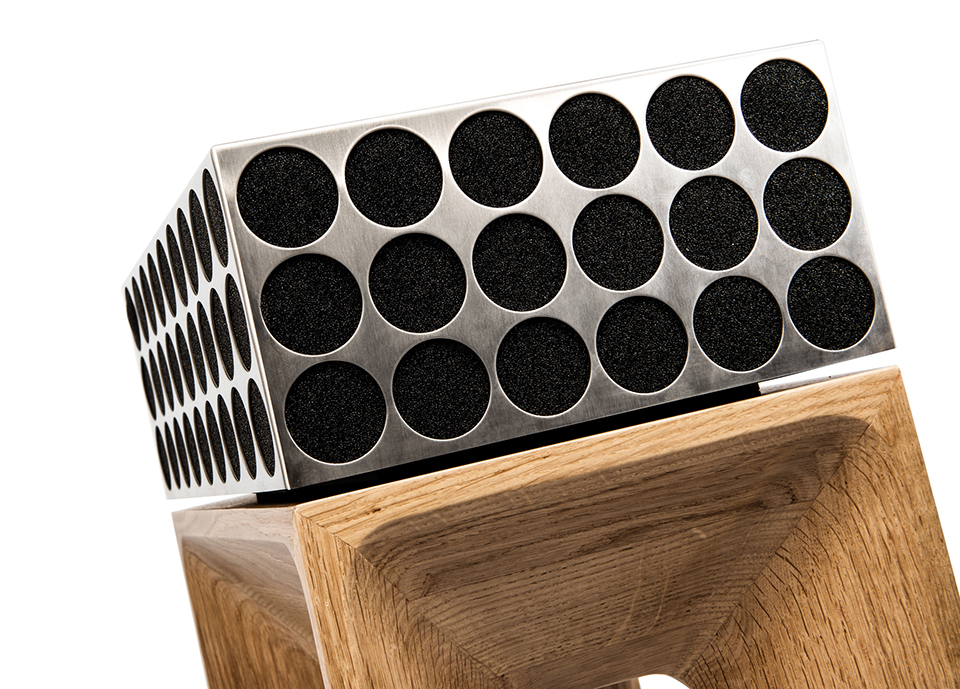
Why so pricey? Hand-made HiFi systems usually are. This system is considered to be an advancement in audio technology by Poet Audio, a system that presents “entire symmetry” of sound throughout a wide listening sphere. It does so with evenly-distributed ports on all sides, plus a four-driver speaker combination within. It uses a 7-inch kevlar sub, a pair of three-inch mids, and one neodymium tweeter for the high end. Those four are powered by a 170-watt amp and the delivery spans the full 20Hz to 20kHz spectrum. That’s plenty of power for a bluetooth speaker, and the driver layout and sonic spread could certainly fulfill Poet’s promise.
Take another look at that amp power rating. 170-watts makes this a much more sizable speaker system than your typical Bluetooth. By comparison, the ubiquitous Jawbone Jambox presents about 4 combined watts depending on the model. So don’t let the “bluetooth speaker” distinction suggest that this is a mobile device. It isn’t. It’s designed and built to be the centerpiece of the very upscale living room.
The Poet Audio Pandoretta is tough to find in the US, and the only option of getting one over here may be to buy direct from Poet Audio . They are for sale in some European retail stores, including Selfridges in London. The price in USD works out to be about $4,600 for the speaker system, $2,600 for the wooden stand. The stand is optional. Optionally sexy. [hat tip to reader Bradley for the submission]
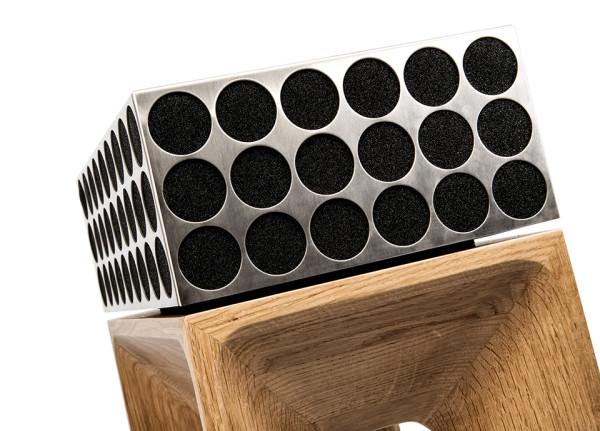
View in gallery
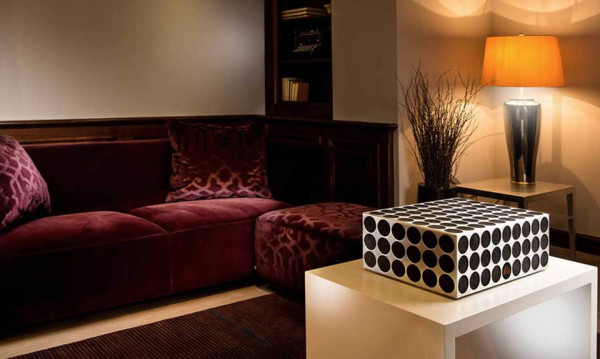
View in gallery
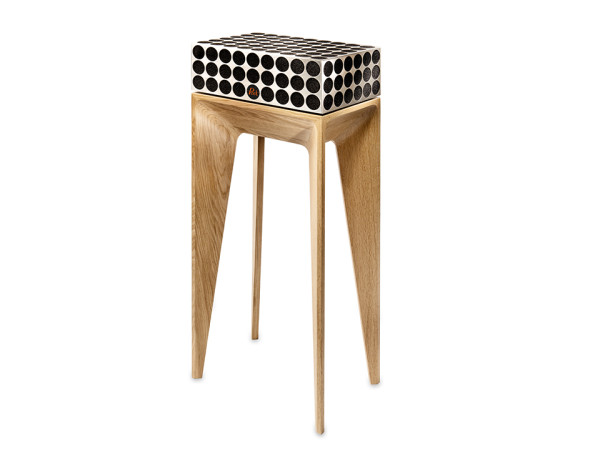
View in gallery
Poet Audio Pandoretta 360-Degree Sound System | Gallery
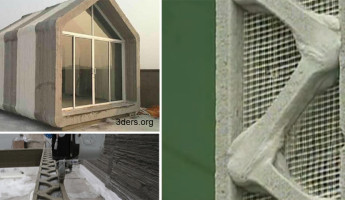
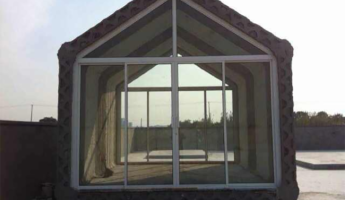
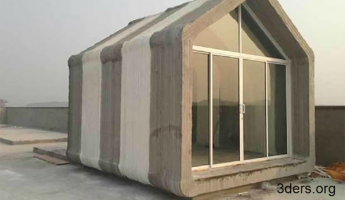
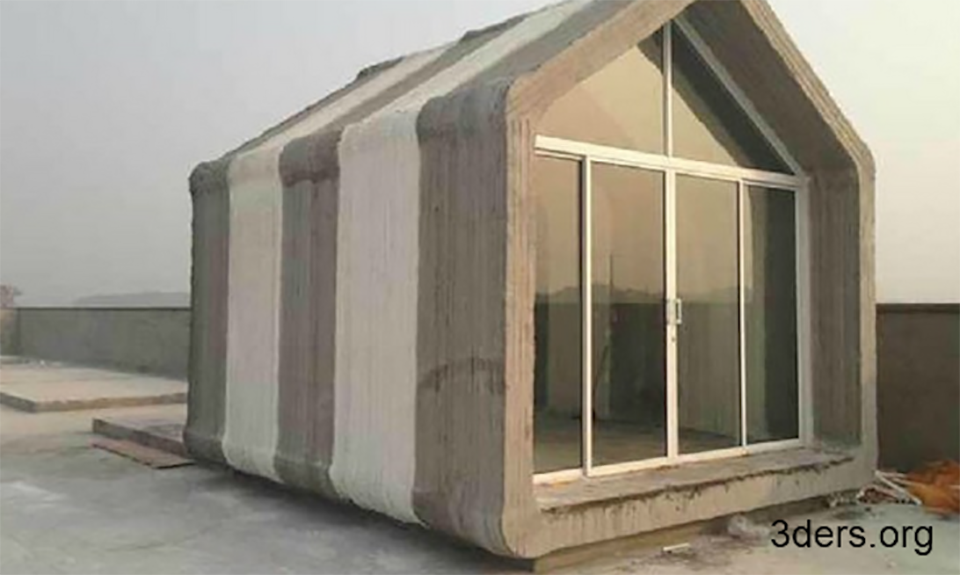
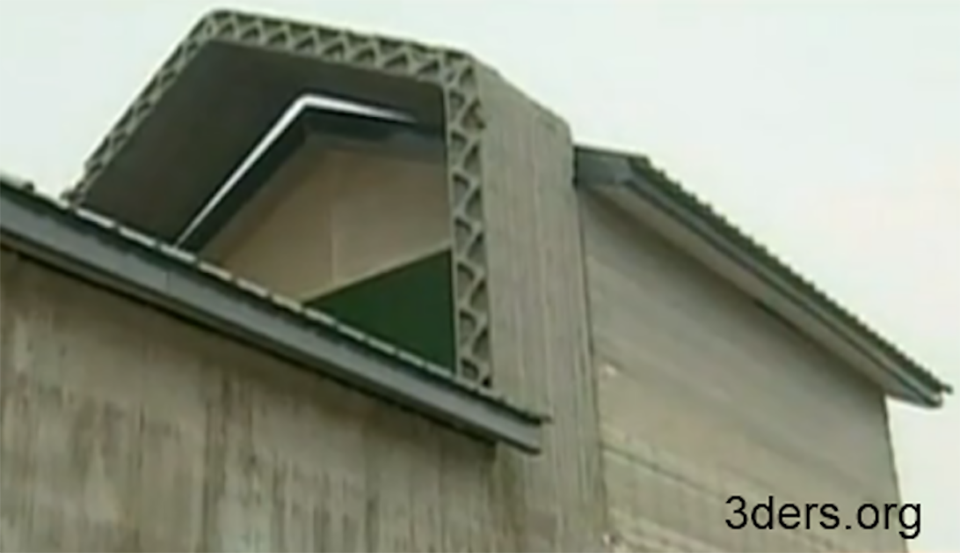
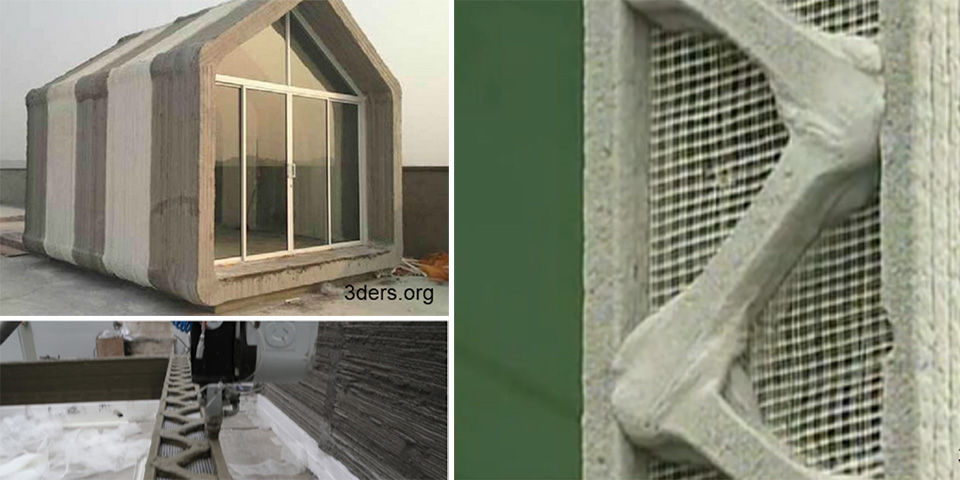
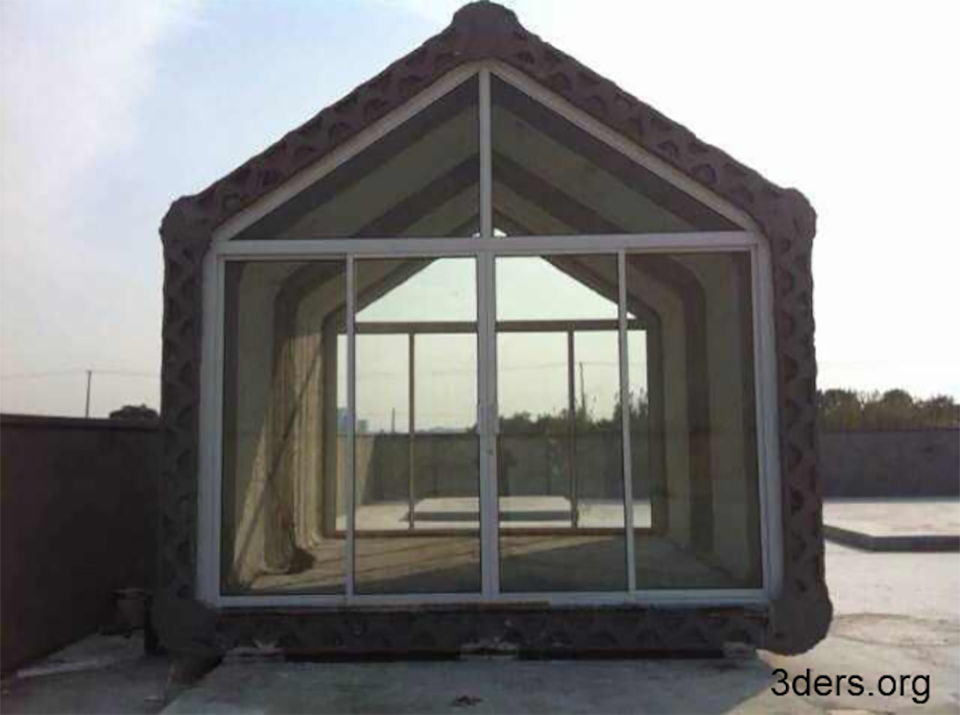
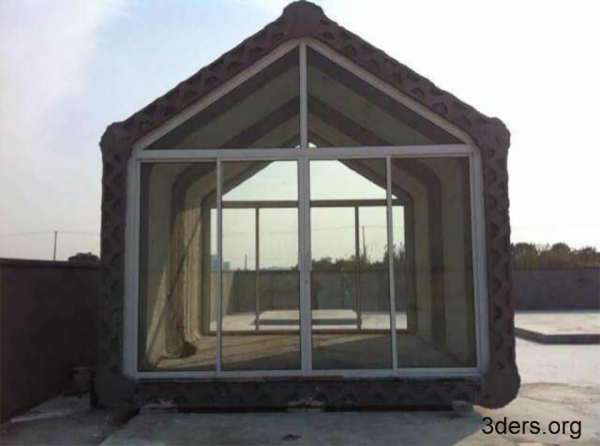
A Shanghai construction firm earlier this month demonstrated just how far 3D printing has come, along with its potential to bring about a revolution in a wide range of different markets, including housing. WinSun Decoration Design Engineering has printed ten houses in a single day, assembling each one for approximately $4,800 apiece. Although they look a little rough around the edges, it’s nevertheless incredibly impressive that the firm managed to create the structures at all.
The implications are rightly a little startling. With technology of the sort WinSun demonstrated here – which is, admittedly, still in its infancy – the entire construction market could be seeing an overhaul in the near future. Very soon, construction workers might find themselves employed on a factory floor as well as construction sites. Not only that, imagine the implications for housing and urban sprawl – buildings that once took months to construct could be shored up and ready to use in a matter of days – or even hours. It’s likely the next step in the evolution of prefab construction , and it’s happening with largely automated, 3D-printing technology.
View in gallery
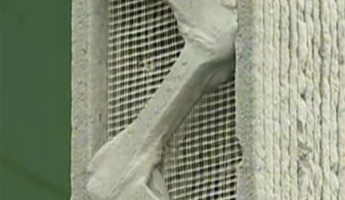
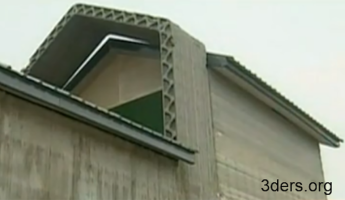
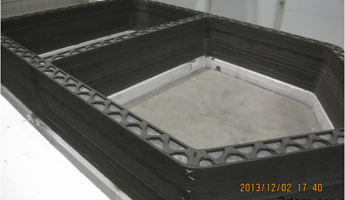
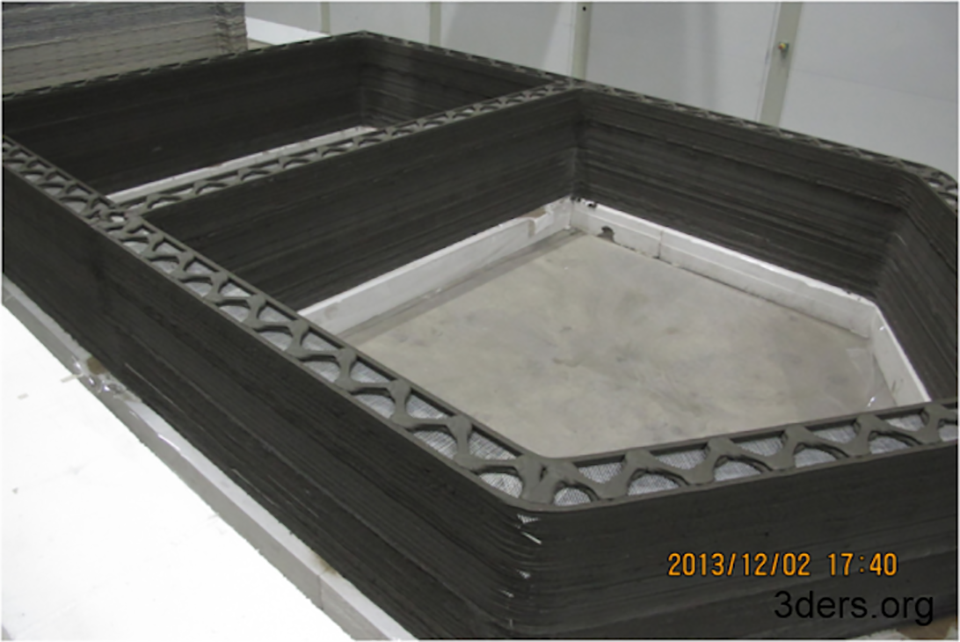
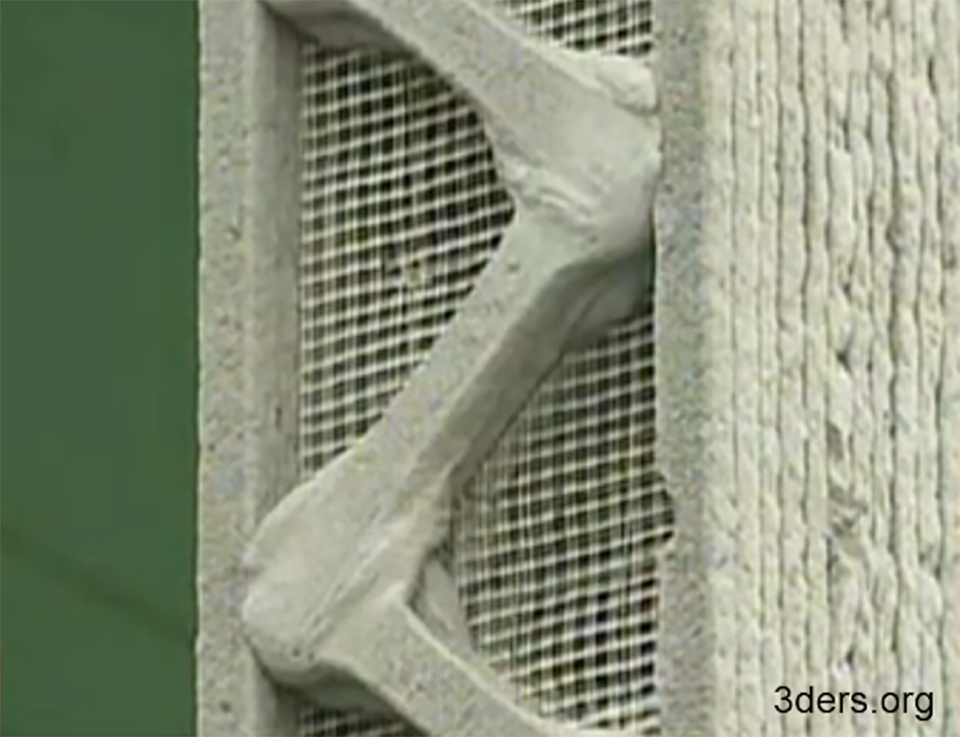
The buildings were created by a massive 3D printer measuring in at 490 feet long, 33 feet wide, and 20 feet deep. Each structural component of the houses was printed by this machine individually, at which point the parts were all assembled on-site. In order to cut down on costs, the concrete WinSun used in the construction of the frame was assembled partially from recycled construction waste, industrial waste, and glass fibers. Each house measures in at approximately 2,100 square feet in size.
WinSun’s immediate goal is to open approximately one hundred recycling factories across the country in order to continue transforming waste products into “ink” for its 3D printers. By creating and producing its houses in this fashion, it estimates that construction companies could cut their costs in half. Eventually, it hopes that the buildings could see use as affordable housing for the poor. [images via 3ders.org , story via inhabitat ]
WinSun 3D-Printed Houses | Gallery